

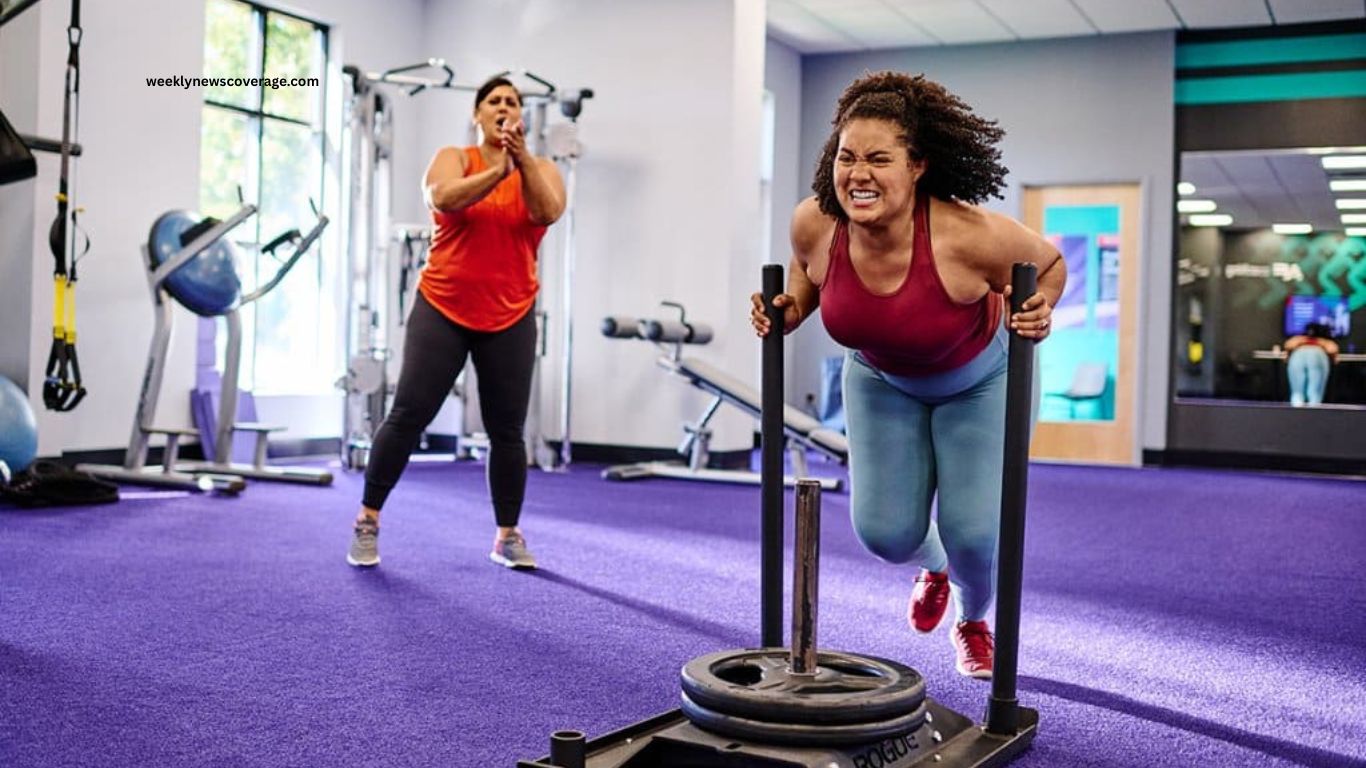
Building a healthier body requires more than motivation. A well-designed workout plan helps improve strength, increase endurance, and reduce body fat while supporting long-term fitness goals. Choosing the right training routine allows every workout session to deliver better results without wasting time or energy.
Fitness success depends on consistency, proper recovery, balanced nutrition, and progressive training. Whether you are a beginner or an experienced athlete, following an effective workout plan can transform physical performance, improve confidence, and create lasting healthy habits. This guide explains the best workout strategies for developing strength, endurance, and fat loss together.
Read More: 10 Exercises Every Runner Needs to Include in Their Gym Routine
Why a Balanced Workout Plan Matters
Many people focus on only one fitness goal, but combining strength training, cardiovascular exercise, and mobility work creates a stronger and healthier body. Strength training builds muscle and improves metabolism. Endurance workouts increase stamina and heart health. Fat-loss training burns calories while preserving lean muscle.
A balanced approach prevents fitness plateaus and reduces injury risk. It also improves everyday activities by increasing energy, flexibility, and overall physical performance.
Strength Training for Muscle Growth
Strength workouts focus on challenging major muscle groups through progressive resistance. Exercises such as squats, deadlifts, bench presses, overhead presses, rows, and pull-ups stimulate muscle development while increasing overall body power.
Gradually increasing weight, repetitions, or training intensity encourages continuous progress. Proper technique remains essential because correct movement patterns maximize results while minimizing injury risk. Strength-focused training also supports bone density, joint stability, and improved posture, making it valuable for people of every age.
Endurance Training for Better Stamina
Endurance workouts improve cardiovascular health and help the body perform physical activities for longer periods without excessive fatigue. Running, cycling, swimming, rowing, brisk walking, and jump rope sessions strengthen the heart and lungs while improving oxygen delivery throughout the body.
Steady-state cardio develops long-lasting stamina, while interval training challenges both aerobic and anaerobic fitness. Combining different endurance methods keeps workouts interesting and prevents performance plateaus. Improved endurance benefits sports performance, daily activities, and overall health.
Fat Loss Through Smart Training
Successful fat loss depends on creating a calorie deficit while maintaining muscle mass. Resistance training combined with high-intensity interval training increases calorie expenditure during and after exercise.
Compound movements engage multiple muscle groups, allowing greater energy use within shorter workout sessions. Consistent activity paired with proper nutrition produces sustainable fat-loss results instead of temporary weight reduction. Recovery remains equally important because muscles grow and repair outside the gym.
Combining Strength and Cardio
Many fitness experts recommend combining resistance training with cardiovascular exercise throughout the week. Strength sessions preserve muscle tissue while cardio improves endurance and supports calorie burning.
This combination increases overall fitness, improves metabolic health, and creates a balanced physique. Alternating workout intensity also allows muscles enough recovery time while maintaining consistent physical activity. A flexible schedule makes long-term adherence easier and reduces mental burnout.
Progressive Overload Drives Results
Every successful workout plan follows the principle of progressive overload. Gradually increasing training difficulty encourages muscles and the cardiovascular system to adapt continuously.
Progress may involve heavier weights, additional repetitions, increased workout duration, shorter rest periods, or improved exercise technique. Small improvements over time produce significant long-term gains. Tracking workouts helps measure progress and maintain motivation throughout the fitness journey.
Recovery Improves Performance
Training alone does not produce peak fitness. Recovery allows muscles to repair, energy stores to replenish, and the nervous system to recover from physical stress.
Quality sleep, hydration, balanced nutrition, stretching, and active recovery sessions contribute to better performance during future workouts. Ignoring recovery often leads to fatigue, decreased motivation, and slower progress. Listening to the body’s signals prevents overtraining and supports consistent improvement.
Nutrition Supports Every Workout
Exercise and nutrition work together to achieve fitness goals. Protein supports muscle repair, carbohydrates provide training energy, and healthy fats assist hormone production and recovery.
Eating nutrient-rich foods throughout the day helps maintain energy levels and promotes better workout performance. Drinking enough water also supports muscle function, temperature regulation, and recovery after exercise. Consistent healthy eating habits produce better results than restrictive dieting.
Staying Consistent for Long-Term Success
The most effective workout plan is one that fits individual schedules and remains sustainable. Real progress comes from months of consistent effort rather than short periods of intense training.
Setting realistic goals, celebrating small achievements, and adjusting workouts based on progress help maintain motivation. Fitness becomes easier when exercise develops into a regular lifestyle habit instead of a temporary challenge. Patience and consistency remain the foundation of lasting strength, endurance, and fat-loss success.
Frequently Asked Questions
What is the best workout plan for building strength?
A strength-focused plan should include compound exercises with progressive overload and adequate recovery.
Can I lose fat and build muscle at the same time?
Yes, combining strength training, cardio, and a balanced diet can support both goals.
How many days should I work out each week?
Most people achieve good results with 3–5 workout sessions per week, depending on fitness level.
Is cardio necessary for fat loss?
Cardio helps burn calories and improves heart health, but strength training is also essential for preserving muscle.
How long should each workout session last?
A well-structured workout usually lasts between 45 and 60 minutes.
What should I eat before and after a workout?
Consume carbohydrates and protein before exercise for energy, then eat a protein-rich meal afterward for recovery.
How long does it take to see workout results?
With consistent training and proper nutrition, noticeable improvements often appear within 4 to 8 weeks.
Conclusion
The best workout plans for strength, endurance, and fat loss combine effective resistance training, cardiovascular exercise, proper nutrition, and consistent recovery. Following a structured routine helps improve muscle strength, increase stamina, burn excess body fat, and support long-term health. Stay committed to gradual progress, maintain healthy habits, and focus on consistency to achieve lasting fitness results and a stronger, healthier body.
