

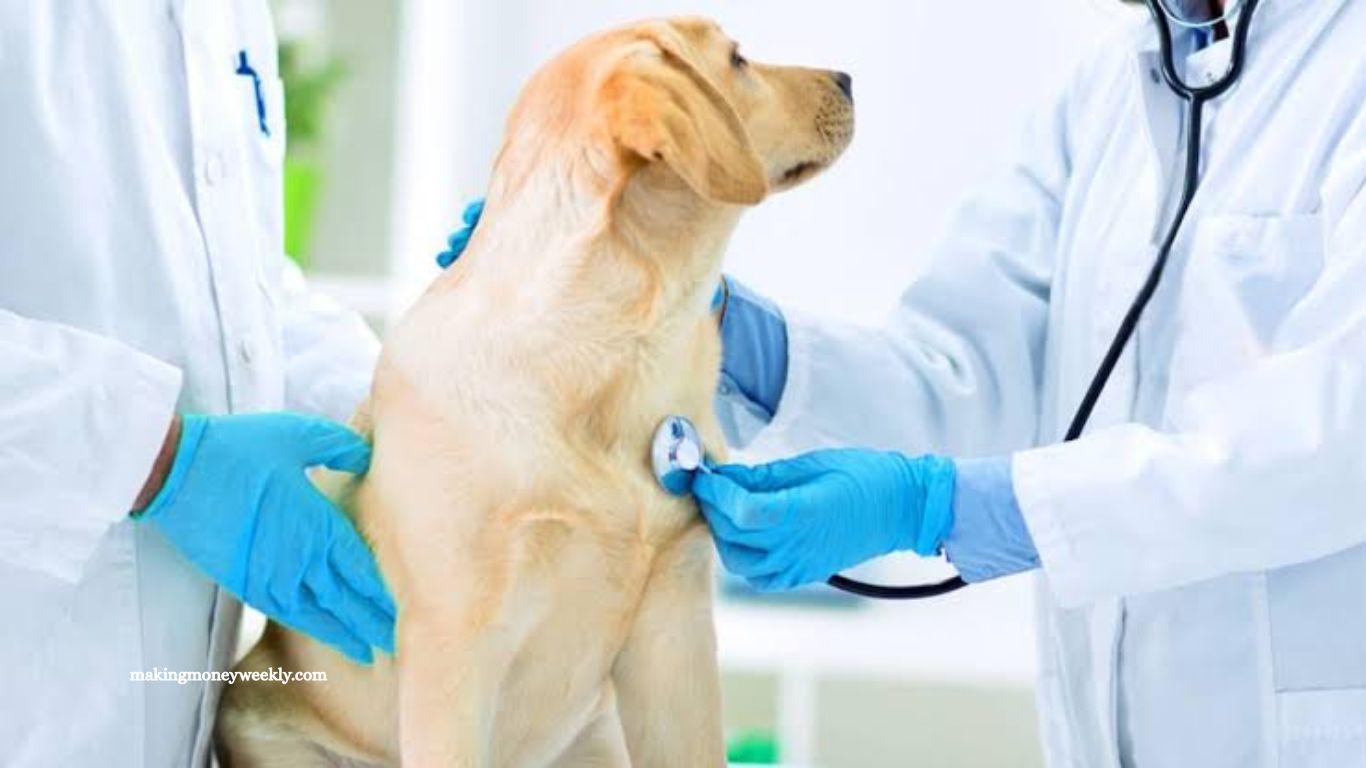
Every pet deserves a long, healthy, and happy life. Regular veterinary checkups provide one of the most effective ways to protect pet health, detect hidden illnesses, and prevent serious medical problems before they become expensive or life-threatening. Many health conditions develop without obvious symptoms, making routine veterinary care a valuable investment for every pet owner.
Whether caring for a playful puppy, curious kitten, adult companion, or senior pet, scheduled veterinary visits support better health throughout every stage of life.
Read More: Best Pet-Friendly Travel Destinations Around the World
Importance of Regular Vet Checkups
Routine veterinary examinations help identify health concerns before they become major issues. Early diagnosis often leads to faster treatment, lower medical costs, and improved recovery outcomes.
Veterinarians evaluate overall health by examining:
- Body weight and condition
- Eyes, ears, nose, and mouth
- Heart and lungs
- Skin and coat
- Teeth and gums
- Joints and mobility
- Digestive health
- Behavior and activity level
Complete health evaluations create a strong foundation for lifelong wellness.
Early Disease Detection
Many illnesses progress silently before visible symptoms appear. Regular examinations allow veterinarians to identify warning signs through physical assessments and diagnostic testing.
Early detection helps manage conditions such as:
- Diabetes
- Kidney disease
- Liver disease
- Heart disease
- Arthritis
- Cancer
- Thyroid disorders
- Dental disease
Prompt treatment improves recovery chances and enhances quality of life.
Vaccinations Protect Long-Term Health
Vaccinations remain one of the strongest defenses against infectious diseases. During routine appointments, veterinarians review vaccination schedules based on age, lifestyle, and environmental risks.
Vaccines help protect pets from serious illnesses while reducing disease transmission within local pet communities.
A personalized vaccination plan ensures every pet receives appropriate protection.
Parasite Prevention
Parasites threaten both pet health and household safety. Regular veterinary visits include screenings and preventive recommendations for common parasites.
Protection includes:
- Flea prevention
- Tick prevention
- Heartworm prevention
- Intestinal worm control
- Parasite screening
Preventive care reduces health risks and minimizes future treatment expenses.
Dental Care Improves Overall Wellness
Dental disease affects more than teeth. Poor oral health may contribute to infections, pain, heart complications, and kidney problems.
Veterinary dental examinations help detect:
- Plaque buildup
- Gum disease
- Broken teeth
- Oral infections
- Bad breath
Professional dental care combined with home oral hygiene supports long-term health.
Nutrition and Weight Management
Healthy nutrition supports energy, immunity, growth, and longevity. Veterinary checkups provide valuable guidance based on breed, age, activity level, and existing medical conditions.
Veterinarians help create personalized nutrition plans while monitoring:
- Healthy weight
- Body condition
- Food quality
- Portion control
- Nutritional deficiencies
Maintaining an ideal weight lowers the risk of diabetes, joint problems, and heart disease.
Behavioral Health Assessment
Behavior changes often indicate underlying medical or emotional concerns. Veterinary professionals evaluate behavioral patterns during routine examinations.
Common concerns include:
- Anxiety
- Aggression
- Excessive barking
- Appetite changes
- Sleep disturbances
- Litter box problems
- Unusual activity levels
Early intervention improves both physical and emotional well-being.
Senior Pet Care
Aging pets require additional medical attention. Older animals face increased risks of chronic illnesses, mobility issues, and cognitive decline.
Senior wellness examinations may include:
- Blood testing
- Urine analysis
- Blood pressure monitoring
- Joint evaluations
- Vision assessment
- Hearing evaluation
Regular monitoring helps maintain comfort and quality of life during senior years.
Cost Savings Through Preventive Care
Preventive healthcare reduces the likelihood of emergency treatments and costly surgeries. Routine examinations identify manageable conditions before complications develop.
Benefits include:
- Lower long-term veterinary expenses
- Reduced emergency visits
- Earlier treatment options
- Better recovery outcomes
- Improved life expectancy
Preventive care remains one of the most cost-effective investments for responsible pet ownership.
Strengthening the Human–Pet Bond
Healthy pets remain active, comfortable, and emotionally connected with their families. Regular veterinary care supports physical wellness, allowing pets to enjoy daily activities with greater energy and happiness.
Strong health creates more opportunities for companionship, exercise, travel, and shared experiences.
Recommended Vet Visit Schedule
General veterinary visit recommendations include:
| Pet Age | Suggested Checkup Frequency |
|---|---|
| Puppies | Every 3–4 weeks until the vaccination schedule finishes |
| Kittens | Every 3–4 weeks until the vaccination schedule finishes |
| Healthy Adult Pets | Once every year |
| Senior Pets | Every 6 months |
| Pets with Chronic Conditions | As recommended by the veterinarian |
Individual care schedules may vary depending on breed, lifestyle, and medical history.
Tips for Successful Vet Visits
Prepare every appointment for maximum benefit.
- Keep vaccination records updated.
- List recent behavioral changes.
- Bring current medications.
- Record eating and drinking habits.
- Discuss exercise routines.
- Mention unusual symptoms.
- Ask questions about preventive care.
Preparation helps veterinarians provide accurate recommendations.
Frequently Asked Questions
How often should pets visit a veterinarian?
Healthy adult pets generally benefit from annual checkups, while puppies, kittens, senior pets, and animals with ongoing medical conditions usually require more frequent visits.
Why are regular veterinary checkups important?
Routine examinations help identify health problems early, provide preventive care, update vaccinations, and monitor overall wellness before serious complications develop.
Can healthy pets skip annual vet visits?
No. Many diseases progress without visible symptoms. Annual examinations help detect hidden conditions during early stages when treatment is often more effective.
Do routine vet visits save money?
Yes. Preventive care reduces the risk of expensive emergency treatments, advanced illnesses, and complex medical procedures.
What happens during a routine pet checkup?
A veterinarian typically performs a full physical examination, reviews medical history, evaluates weight and nutrition, checks dental health, updates vaccinations if needed, screens for parasites, and discusses any health or behavioral concerns.
Conclusion
Regular vet checkups form the foundation of lifelong pet health. Routine examinations support early disease detection, preventive care, dental health, parasite control, proper nutrition, behavioral wellness, and age-specific medical support. Consistent veterinary care improves quality of life, reduces healthcare costs, and helps pets enjoy longer, healthier lives.
