

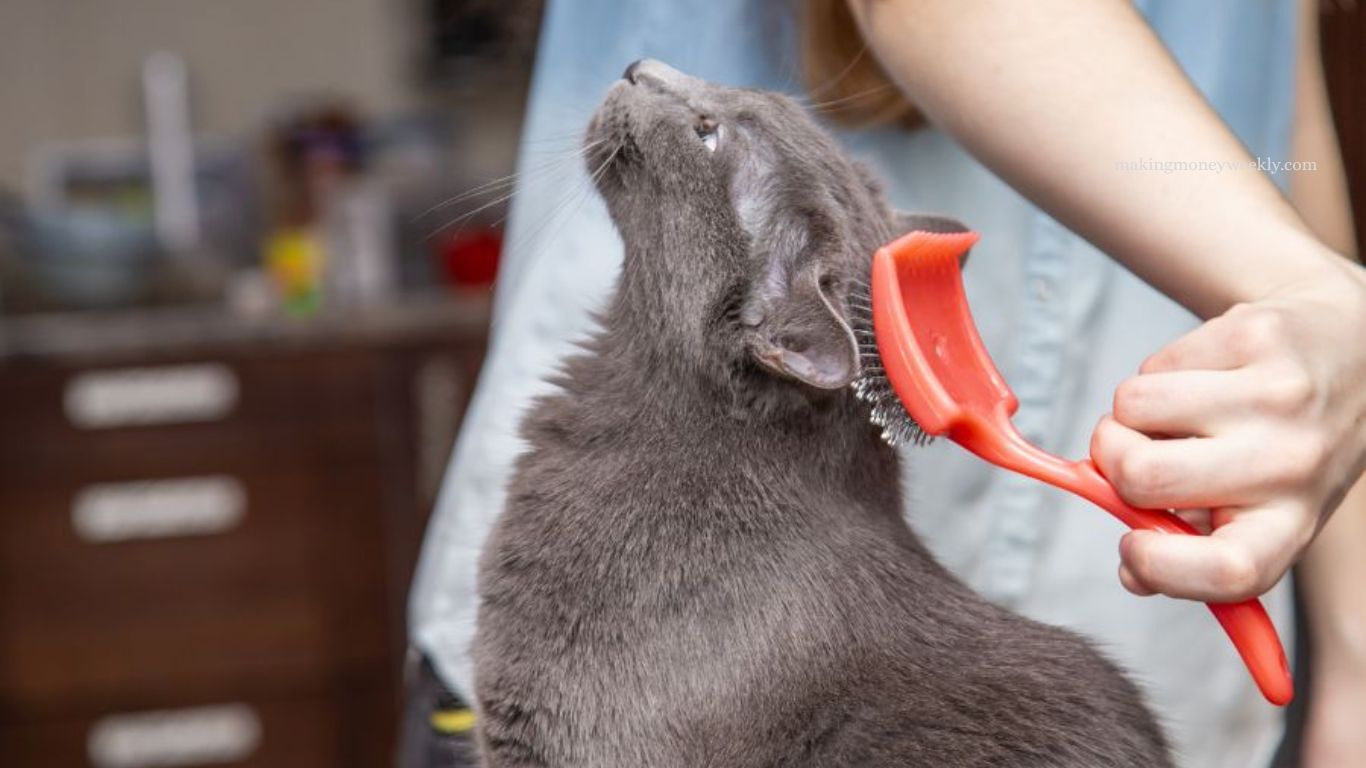
Pet Grooming Tips for Healthier Pets need more than nutritious food and regular exercise. Proper grooming plays a vital role in maintaining clean skin, a healthy coat, strong nails, and overall wellness. Regular grooming also helps detect health concerns early, reducing the risk of infections, parasites, and skin conditions.
Whether you care for an energetic dog or a playful cat, following expert grooming practices can improve comfort, appearance, and quality of life. This guide covers practical grooming tips suitable for pet owners of every experience level.
Read More: Why Regular Vet Checkups Are Essential for Pet Health
Why Regular Pet Grooming Matters
Routine grooming provides several important health benefits, including:
- Removes dirt, loose hair, and dead skin.
- Reduces shedding around the home.
- Prevents painful matting and tangles.
- Improves skin circulation.
- Helps identify lumps, cuts, or skin problems early.
- Minimizes flea and tick infestations.
- Keeps pets comfortable throughout every season.
A consistent grooming routine contributes to a happier and healthier companion.
Brush the Coat Regularly
Brushing remains one of the most important grooming habits.
Benefits of Brushing
- Removes loose fur.
- Prevents knots and mats.
- Distributes natural skin oils.
- Keeps the coat shiny.
- Reduces shedding.
Brushing Frequency
- Short-haired dogs: 1–2 times each week.
- Long-haired dogs: Daily.
- Short-haired cats: Once each week.
- Long-haired cats: Daily or every other day.
Choose a brush designed specifically for your pet’s coat type.
Bathe Pets Properly
Bathing keeps skin clean without removing essential natural oils.
Bathing Tips
- Use pet-friendly shampoo only.
- Brush before bathing.
- Rinse thoroughly.
- Dry completely with a towel or on low heat.
- Avoid excessive bathing.
Recommended Bathing Schedule
- Dogs: Every 4–8 weeksde pending on activity and coat type.
- Cats: Usually only when necessary, unless advised by a veterinarian.
Keep Nails Properly Trimmed
Long nails can cause pain, poor posture, and difficulty walking.
Nail Care Tips
- Use quality pet nail clippers.
- Trim small amounts gradually.
- Avoid cutting the quick.
- Reward pets after trimming.
Check nail length every three to four weeks.
Clean the Ears Carefully
Healthy ears reduce the risk of infections.
Ear Cleaning Steps
- Use a veterinarian-approved ear cleaner.
- Applythe solution according to the instructions.
- Wipe gently with cotton or gauze.
- Never insert cotton swabs deep inside the ear canal.
Contact your veterinarian if you notice:
- Bad odor
- Redness
- Swelling
- Dark discharge
- Frequent scratching
Maintain Dental Hygiene
Oral care affects overall health.
Dental Care Routine
- Brush teeth several times each week.
- Use pet-safe toothpaste.
- Offer dental chews.
- Schedule professional dental examinations.
Healthy teeth help prevent gum disease, bad breath, and tooth loss.
Watch for Skin Problems
Grooming sessions offer an opportunity to inspect your pet’s skin.
Look for:
- Dry patches
- Redness
- Rashes
- Hair loss
- Lumps
- Parasites
- Scabs
Early detection often leads to quicker treatment and better outcomes.
Control Shedding Naturally
Seasonal shedding affects many pets.
Reduce excessive shedding by:
- Brushing consistently.
- Feeding a balanced diet.
- Providing fresh water.
- Using shedding tools designed for your pet’s coat.
- Scheduling professional grooming during heavy shedding seasons.
Healthy skin supports a healthier coat.
Groom Different Coat Types Correctly. Every coat requires unique care.
Short Coats
- Weekly brushing.
- Occasional bathing.
- Minimal trimming.
Long Coats
- Daily brushing.
- Frequent detangling.
- Professional trimming when needed.
Curly Coats
- Regular brushing.
- Scheduled clipping.
- Routine professional grooming.
Matching grooming techniques to coat type prevents unnecessary discomfort.
Reduce Grooming Stress
Many pets feel anxious during grooming.
Create a positive experience by:
- Starting grooming at a young age.
- Keeping sessions short.
- Offering treats and praise.
- Using calm handling techniques.
- Grooming in a quiet environment.
Patience helps build long-term trust.
Choose Quality Grooming Tools
Investing in proper tools improves grooming results.
Essential supplies include:
- Slicker brush
- Deshedding brush
- Comb
- Nail clippers
- Pet shampoo
- Ear cleaner
- Grooming scissors
- Towels
- Toothbrush
- Pet toothpaste
Quality equipment protects both pets and owners.
Know When Professional Grooming Helps
Professional groomers provide specialized care for:
- Thick coats
- Heavy matting
- Breed-specific styling
- Nail grinding
- Sanitary trimming
- Seasonal grooming
Regular professional appointments complement home grooming routines.
Seasonal Grooming Tips
Summer
- Brush frequently.
- Prevent overheating.
- Check for ticks after outdoor activities.
- Keep paws clean.
Winter
- Moisturize dry skin when needed.
- Remove snow, mud, and ice from paws.
- Trim fur around paw pads.
- Brush regularly to prevent winter matting.
Seasonal adjustments keep pets comfortable throughout the year.
Common Grooming Mistakes
Avoid these common errors:
- Overbathing
- Using human shampoo
- Ignoring dental care
- Skipping nail trimming
- Neglecting ear cleaning
- Allowing mats to develop
- Using incorrect grooming tools
Consistent care prevents many avoidable health issues.
Frequently Asked Questions
How often should dogs be groomed?
Most dogs benefit from brushing several times each week and bathing every four to eight weeks, depending on coat type and lifestyle.
Do indoor cats require grooming?
Yes. Indoor cats still shed hair, develop tangles, and need regular brushing, nail trimming, and dental care.
Can grooming improve pet health?
Absolutely. Regular grooming helps maintain healthy skin, prevents infections, detects medical concerns early, and supports overall well-being.
What should I do if my pet dislikes grooming?
Introduce grooming gradually, keep sessions brief, reward positive behavior, and remain patient. Professional groomers can also help anxious pets.
Conclusion
Expert pet grooming involves much more than maintaining appearance. Regular brushing, bathing, nail trimming, ear cleaning, dental care, and skin inspections contribute to better health and greater comfort for both dogs and cats. Establishing a consistent grooming routine reduces health risks, improves coat condition, and strengthens the bond between pets and their owners.
