

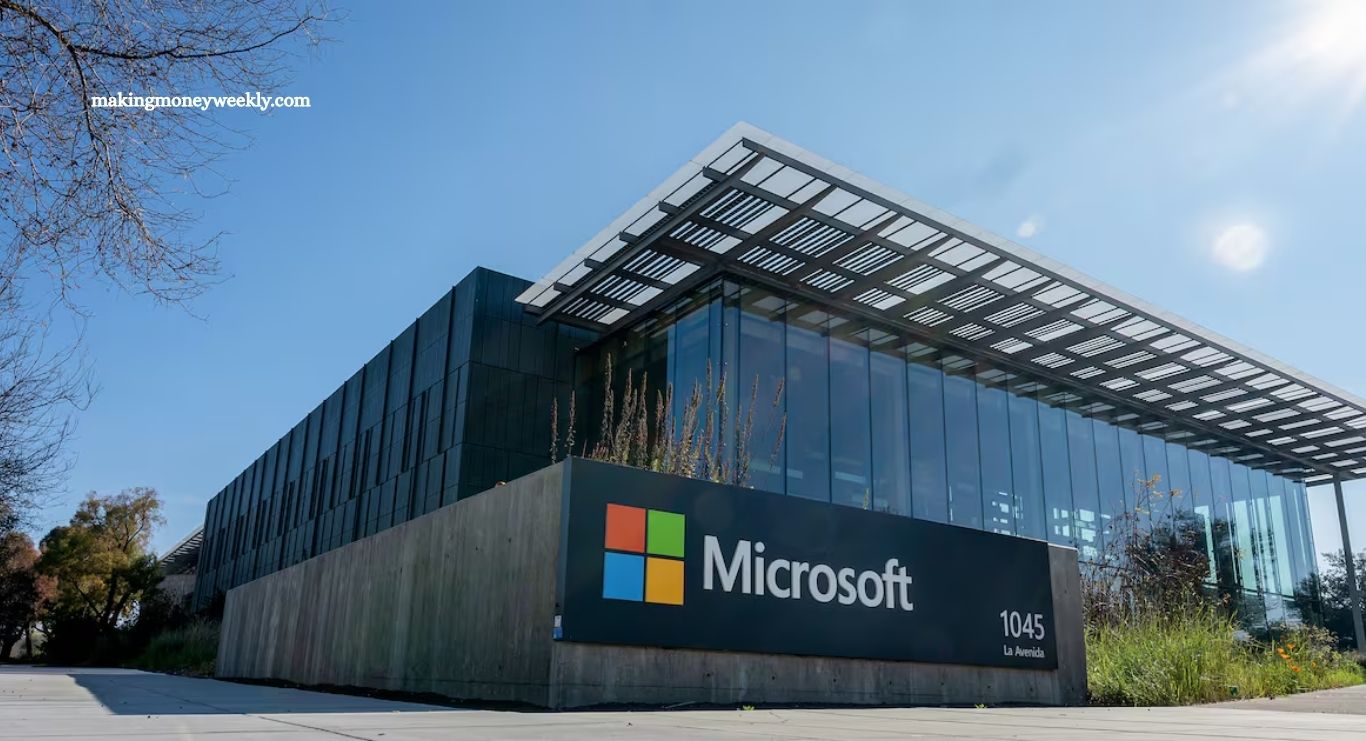
Microsoft and a group of retired U.S. military leaders have stepped into a growing legal dispute involving artificial intelligence company Anthropic and the Trump administration, urging a federal court to block a recent Pentagon decision that labeled the company a supply chain security risk.
The designation, issued by Defense Secretary Pete Hegseth, has effectively restricted Anthropic’s access to certain military contracts following tensions over the company’s refusal to permit unrestricted military use of its AI model, Claude. The dispute escalated after Anthropic filed a lawsuit in federal court in San Francisco, arguing that the government’s action is unjustified and harmful to both innovation and national security cooperation.
Microsoft, in its legal filing, warned that the Pentagon’s move could create significant uncertainty in government contracting and impose broader economic consequences across the defense technology sector. At the same time, a coalition of 22 retired senior U.S. military officials, including former service secretaries and high-ranking commanders, filed a separate brief accusing the Defense Department of misusing its authority in a way that could resemble retaliation against a private company.
The case has drawn widespread attention across the technology and defense industries, highlighting rising tensions over how advanced AI systems should be governed and deployed in sensitive military environments.
Read More: iPhone Fold Still on Track for September Launch Despite Delay Rumors
Court Challenge Over “Supply Chain Risk” Designation
Microsoft and a coalition of retired U.S. military leaders have thrown their support behind Anthropic in a federal lawsuit seeking to block the Trump administration’s decision to classify the artificial intelligence company as a supply chain security risk.
The designation, issued by Defense Secretary Pete Hegseth, effectively bars Anthropic from participating in certain U.S. military contracts. The government argues the company’s AI systems present potential national security concerns.
Anthropic has since sued the administration in federal court in San Francisco, where the company is headquartered.
Microsoft Challenges Pentagon Action
In a legal filing submitted this week, Microsoft—one of the U.S. government’s largest contractors—argued that the Pentagon’s move could have serious economic and operational consequences.
The company is specifically challenging the Defense Secretary’s decision to restrict Anthropic’s access to military work following a dispute over the use of its AI model, Claude.
According to Microsoft’s filing, the “supply chain risk” designation is being used in a way that could disrupt government procurement processes and introduce uncertainty into defense contracting.
The filing also requests that the court temporarily suspend the designation, allowing time for further negotiations between Anthropic and federal officials.
The Pentagon declined to comment, citing ongoing litigation.
Ethical Concerns Over Military AI Use
Microsoft also reiterated its position on responsible AI deployment in defense settings, supporting Anthropic’s stance on usage restrictions.
The company emphasized that AI should not be used for domestic mass surveillance or autonomous warfare without meaningful human oversight, stating that such principles align with both legal frameworks and broader public expectations.
Retired Military Officials Warn of Authority Overreach
Separately, a group of 22 former senior U.S. military officials—including ex-service secretaries and high-ranking commanders from the Air Force, Army, Navy, and Coast Guard—filed their own brief supporting Anthropic.
Among them are former CIA Director Michael Hayden and retired Coast Guard Admiral Thad Allen.
The group argued that the Pentagon’s actions represent an improper use of authority and could be interpreted as retaliation against a private company over policy disagreements.
Their filing warns that such decisions could undermine long-standing rule-of-law principles within the defense establishment and create unnecessary instability in military technology planning.
Broader Industry and Civil Society Support
Anthropic’s legal position has also attracted support from other technology and policy organizations, including AI developers associated with Google and OpenAI, as well as groups such as the Cato Institute and the Electronic Frontier Foundation.
These filings reflect growing concern over how governments regulate advanced AI systems used in national security contexts.
Ongoing Court Proceedings
The case is being heard by U.S. District Judge Rita Lin in San Francisco, with a hearing scheduled for March 24. Anthropic has also filed a separate related petition in the federal appeals court in Washington, D.C.
While neither filing directly references recent military developments in Iran, retired officials warned that sudden restrictions on widely used AI systems could disrupt military planning and operational readiness.
AI in Military Operations
U.S. Central Command has confirmed that advanced AI tools are already being used in military operations to process large volumes of intelligence data rapidly. However, officials emphasize that humans remain responsible for all final operational decisions.
Industry Shift Amid Dispute
Anthropic was previously among the few AI firms approved for use in classified military networks. Following the dispute, defense officials are reportedly exploring alternatives from competitors including Google, OpenAI, and Elon Musk’s xAI.
The outcome of the case could influence how AI companies engage with the U.S. defense sector going forward, particularly regarding ethical constraints and government procurement rules.
Frequently Asked Questions
What is the case about?
Anthropic is challenging a Pentagon decision that labeled it a supply chain security risk, restricting its access to U.S. military contracts.
Why is Microsoft involved?
Microsoft has filed a legal brief supporting Anthropic, arguing the decision could disrupt government contracting and create uncertainty.
Who else supports Anthropic?
A group of 22 retired senior U.S. military officials has also backed Anthropic, criticizing the Pentagon’s action as improper.
What triggered the dispute?
Tensions escalated after disagreements over Anthropic’s AI model, Claude, and its permitted military uses.
What happens next?
A federal court in San Francisco is reviewing the case, with a key hearing scheduled for March 24.
Conclusion
The legal battle between Anthropic and the Trump administration highlights the growing friction between artificial intelligence companies and government authorities over the use of advanced AI in national security. With Microsoft and a group of retired senior military officials backing Anthropic, the case has expanded beyond a corporate dispute into a broader debate about ethics, oversight, and the limits of government power in regulating emerging technologies.
