

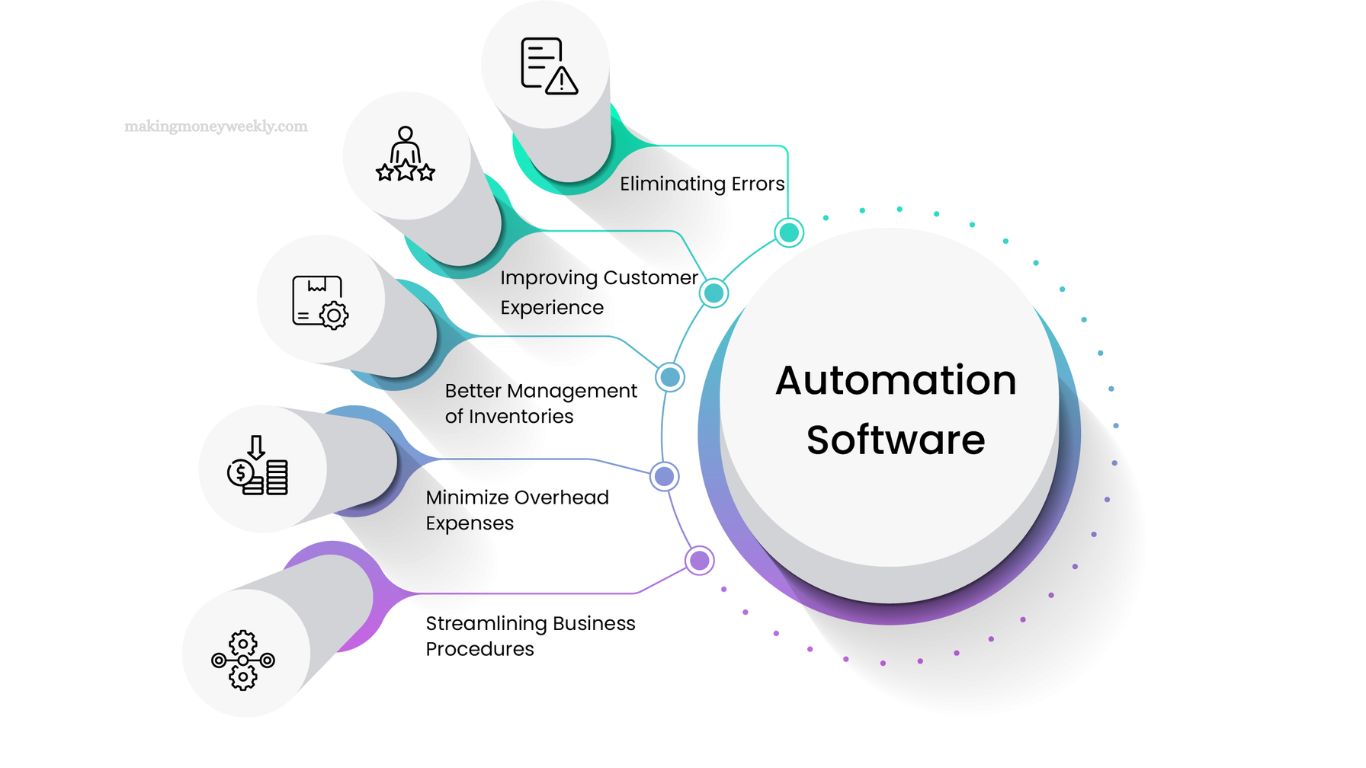
Business automation tools have become an essential part of modern companies looking to improve productivity, reduce manual work, and increase profits. Businesses of all sizes are adopting smart automation solutions to manage daily operations, improve customer experiences, and make better decisions. These tools help teams focus on important tasks while technology handles repetitive processes.
Growing competition and changing customer expectations have made automation a powerful strategy for business success. From marketing and sales to finance and customer support, automation tools create smoother workflows and help companies achieve higher efficiency with fewer resources.
Read More: How to Build a Strong Brand That Customers Trust
Understanding Business Automation Tools
Business automation tools are software solutions designed to complete repetitive tasks automatically. These platforms help businesses manage processes such as email marketing, customer relationship management, accounting, data analysis, and employee communication. By reducing manual efforts, companies can save valuable time and improve operational accuracy.
Automation does not replace human creativity and decision-making. Instead, it supports employees by removing time-consuming activities and allowing them to focus on strategic planning, innovation, and customer relationships.
How Automation Tools Improve Business Efficiency
Time management is one of the biggest advantages of business automation. Many companies spend hours completing repetitive activities that can be handled through automated systems. Scheduling appointments, sending customer updates, processing invoices, and organizing data become faster with the right automation solutions.
Improved efficiency also leads to better resource management. Employees can complete more meaningful work while businesses reduce operational delays. Automated workflows create consistency, helping companies maintain quality standards across different departments.
Automation Tools for Marketing Growth
Marketing automation tools help businesses connect with customers more effectively. These platforms can manage email campaigns, social media scheduling, customer segmentation, and performance tracking. Companies can deliver personalized messages based on customer behavior, improving engagement and conversion rates.
Automated marketing systems also provide valuable insights into customer preferences. Businesses can analyze campaign results, understand market trends, and adjust their strategies for better outcomes. This approach helps increase sales while reducing unnecessary marketing expenses.
Customer Relationship Management Automation
Customer relationship management automation tools help businesses organize customer information and improve communication. These systems store important customer details, track interactions, and support sales teams throughout the customer journey.
Automation allows businesses to respond quickly to customer inquiries and maintain stronger relationships. Faster communication and personalized experiences increase customer satisfaction, leading to higher retention and long-term profitability.
Financial Automation for Better Profit Management
Financial automation tools simplify accounting, billing, and expense tracking. Manual financial processes often create errors and consume valuable time. Automated systems improve accuracy by managing transactions, generating reports, and monitoring cash flow.
Better financial management helps business owners understand their performance and make informed decisions. Companies can identify opportunities for growth, control expenses, and improve overall profitability through automated financial solutions.
Project Management and Team Collaboration Automation
Project management automation tools help teams organize tasks, monitor progress, and complete projects efficiently. These platforms improve communication between team members and reduce confusion during complex projects.
Automated reminders, workflow updates, and progress tracking help businesses maintain productivity. Teams can complete projects faster while ensuring every important task receives proper attention.
Artificial Intelligence in Business Automation
Artificial intelligence has transformed business automation by making tools smarter and more adaptive. AI-powered platforms can analyze large amounts of data, predict customer behavior, and provide useful recommendations.
Businesses use AI automation to improve decision-making, enhance customer support, and create personalized experiences. As technology continues developing, AI-driven automation will become an important part of future business strategies.
Choosing the Right Automation Tools for Your Business
Selecting the right automation solution depends on business goals, industry needs, and operational challenges. Companies should choose tools that are easy to use, scalable, and compatible with existing systems.
A successful automation strategy requires understanding which processes need improvement. Businesses should focus on areas where automation can create the greatest impact, such as reducing repetitive tasks, improving communication, and increasing productivity.
Future of Business Automation
The future of business automation will continue to expand as advanced technologies become more accessible. Companies will rely on automation to improve efficiency, reduce costs, and deliver better customer experiences.
Businesses that adopt automation early can gain a competitive advantage by operating faster and smarter. Automation will continue shaping the way companies manage operations, serve customers, and achieve sustainable growth.
Frequently Asked Questions
What are business automation tools?
Business automation tools are software solutions that handle repetitive tasks and improve workflow efficiency.
How do automation tools increase profits?
Automation reduces costs, saves time, improves productivity, and helps businesses generate better results.
Are automation tools useful for small businesses?
Yes, small businesses can use automation tools to manage operations and grow efficiently.
Which tasks can businesses automate?
Businesses can automate marketing, customer support, accounting, scheduling, and project management tasks.
Do automation tools replace employees?
Automation supports employees by reducing manual work and allowing them to focus on important tasks.
How do businesses choose the right automation tools?
Businesses should select tools based on their goals, budget, and workflow requirements.
Is business automation expensive?
Many automation tools offer affordable plans, making them accessible for businesses of different sizes.
Conclusion
Business automation tools provide powerful solutions for saving time, improving productivity, and increasing profits. By automating repetitive processes, businesses can reduce errors, improve efficiency, and allow employees to focus on valuable tasks.
