

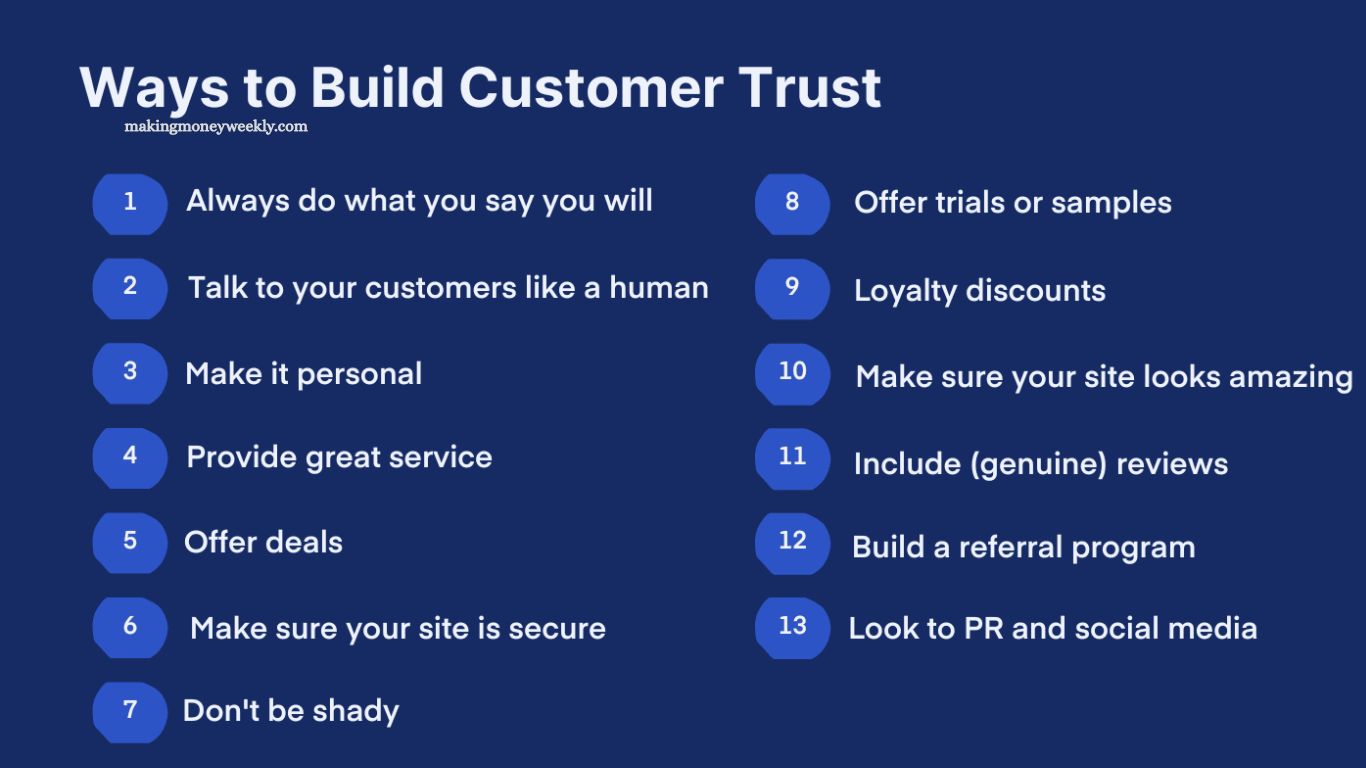
Building a strong brand that customers trust requires more than creating an attractive logo or running marketing campaigns. A successful brand represents values, reliability, and meaningful connections with people. Customers choose brands they recognize, understand, and believe in, making trust one of the most important elements of long-term business growth.
A trusted brand creates loyalty, improves customer relationships, and helps businesses stand out in competitive markets. Companies that focus on authenticity, consistent experiences, and customer satisfaction can develop a powerful identity that encourages people to return and recommend their products or services.
Read More: Effective Leadership Skills Every Business Owner Needs
Understand Your Brand Purpose
Every strong brand begins with a clear purpose. Businesses need to understand why they exist, what problems they solve, and how they create value for customers. A meaningful purpose gives direction to branding efforts and helps customers connect with the business on a deeper level.
A brand with a clear mission communicates confidence and builds emotional connections. Customers are more likely to trust companies that show genuine goals beyond making sales. Defining brand values creates a foundation for consistent communication and decision-making.
Create a Unique Brand Identity
A powerful brand identity helps customers recognize a business easily. Elements such as brand voice, visual style, messaging, and overall personality should work together to create a memorable impression.
Consistency across websites, social media platforms, advertisements, and customer interactions strengthens brand recognition. When customers experience the same quality and message everywhere, they develop confidence in the brand.
Focus on Customer Needs
Successful brands understand their customers better than their competitors. Learning about customer expectations, challenges, and preferences helps businesses create products and services that provide real value.
Customer-focused brands listen to feedback and use insights to improve their offerings. Showing customers that their opinions matter builds trust and creates stronger relationships over time.
Deliver Quality and Consistency
Trust develops when businesses consistently deliver what they promise. Customers expect reliable products, helpful service, and positive experiences during every interaction.
A single poor experience can affect customer perception, while consistent quality can turn first-time buyers into loyal supporters. Businesses should maintain high standards and continuously improve their processes to protect brand reputation.
Build Authentic Customer Connections
Modern customers appreciate honesty and transparency. Brands that communicate openly and show their human side often create stronger relationships with their audience.
Sharing company stories, behind-the-scenes experiences, and genuine customer interactions can make a brand feel more approachable. Authentic communication helps customers feel connected and increases confidence in the business.
Use Digital Marketing Effectively
Digital platforms provide valuable opportunities for brands to build trust and reach new audiences. A professional website, engaging social media presence, and useful content can strengthen brand credibility.
Businesses should focus on creating helpful content instead of only promoting products. Educational articles, customer stories, and valuable insights demonstrate expertise and encourage customers to trust the brand.
Encourage Customer Reviews and Testimonials
Customer feedback plays an important role in building brand credibility. Positive reviews and testimonials show potential customers that others have experienced value from the business.
Encouraging satisfied customers to share their experiences can improve reputation and influence purchasing decisions. Responding professionally to feedback also shows commitment to customer satisfaction.
Maintain Brand Transparency
Transparency helps customers feel secure when choosing a brand. Clear pricing, honest communication, and responsible business practices create stronger trust.
Brands that admit mistakes and take action to solve problems often gain more respect from customers. Openness shows reliability and demonstrates that the company values its audience.
Adapt to Changing Customer Expectations
Customer preferences continue to evolve with technology, trends, and market changes. Strong brands remain flexible and adapt while maintaining their core values.
Innovation helps businesses stay relevant and provide better experiences. Brands that understand changing customer needs can build lasting relationships and maintain customer trust.
Frequently Asked Questions (FAQs)
What makes a brand trustworthy?
A trustworthy brand focuses on honesty, quality, consistency, and customer satisfaction. Businesses that deliver reliable products and maintain transparent communication create stronger relationships with customers.
Why is brand trust important for business growth?
Brand trust encourages customer loyalty, repeat purchases, and positive recommendations. Customers are more likely to choose brands they believe in and feel connected with.
How can a business create a strong brand identity?
A business can create a strong brand identity by defining its purpose, values, visual style, messaging, and customer experience. Consistent branding helps customers recognize and remember the brand.
How does customer feedback improve brand trust?
Customer feedback helps businesses understand expectations and improve their products or services. Responding positively to feedback shows customers that their opinions are valued.
Can social media help build a trusted brand?
Yes, social media helps brands connect with customers, share valuable content, and create authentic relationships. Regular engagement and transparent communication improve brand credibility.
Conclusion
Building a strong brand that customers trust requires dedication, consistency, and genuine focus on customer relationships. A successful brand is created through clear values, reliable experiences, authentic communication, and continuous improvement.
