

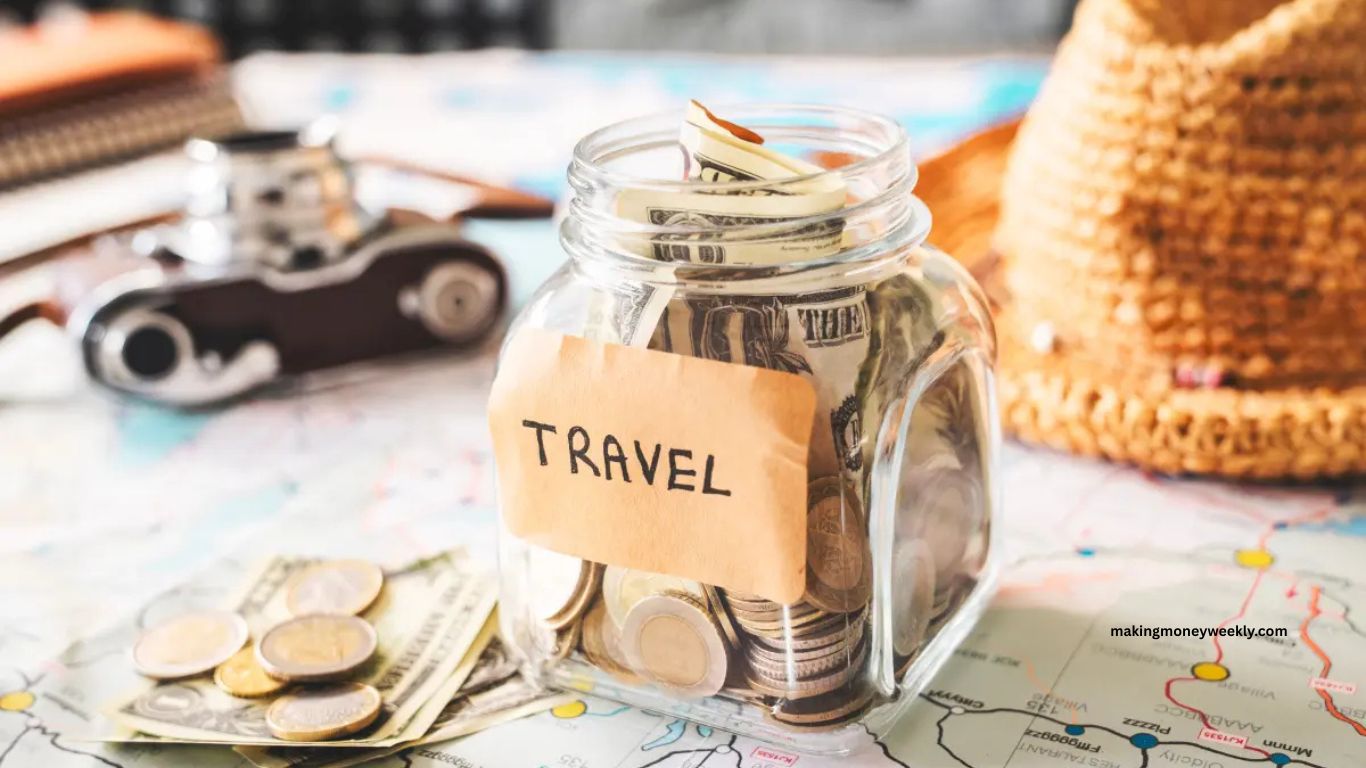
Traveling more does not always require a large budget. Smart planning, flexible choices, and careful spending can make memorable trips affordable. From choosing budget-friendly destinations to finding cheaper transportation and accommodation, travelers can reduce costs without sacrificing the overall experience.
Modern travelers have more ways to save money than ever before. Online deals, travel apps, flexible booking options, local experiences, and reward programs can help stretch a travel budget further. Learning how to manage these options can turn occasional vacations into regular adventures.
Read More: Top Family Vacation Spots for Unforgettable Memories
Choose Affordable Travel Destinations
Destination selection has a major impact on travel expenses. Popular tourist cities often have higher accommodation, food, transportation, and activity costs. Choosing less expensive destinations can significantly reduce the total trip budget.
Consider smaller cities, emerging destinations, or nearby countries with lower living costs. Local markets, public attractions, and affordable restaurants can provide excellent experiences without premium tourist prices.
Travel During the Off-Season
Traveling during peak seasons usually means higher prices and larger crowds. Off-season travel can provide better deals on hotels, flights, attractions, and tours.
Research the destination’s shoulder season, which falls between peak and low seasons. Weather can remain pleasant while prices are often more reasonable. This approach also creates a more relaxed travel experience.
Book Flights Strategically
Airfare can become one of the biggest travel expenses. Comparing different airlines, departure dates, airports, and flight times can reveal significant savings.
Flexible travel dates are especially useful. Midweek flights can sometimes cost less than weekend departures. Travelers should also compare nearby airports because a slightly longer journey to an alternative airport may result in substantial savings.
Use Budget-Friendly Accommodation
Hotels are not the only accommodation option. Hostels, guesthouses, vacation rentals, homestays, and budget hotels can provide comfortable stays at lower prices.
Travelers can also consider accommodation located slightly outside major tourist areas. Staying near public transportation can offer a balance between affordability and convenience.
Travel With a Daily Budget
A simple daily spending limit can prevent unnecessary expenses. Set separate amounts for accommodation, meals, transportation, activities, and shopping.
Tracking expenses throughout the trip makes it easier to identify where money is going. Small purchases can quickly become expensive when repeated every day, so awareness plays an important role in budget travel.
Eat Like a Local
Food expenses can increase quickly when every meal comes from tourist-focused restaurants. Local restaurants, food markets, bakeries, and street food often provide authentic meals at lower prices.
Buying breakfast items or snacks from local grocery stores can also reduce daily spending. Travelers can enjoy special restaurants occasionally while keeping regular meals affordable.
Use Public Transportation
Taxis and private transfers can consume a large part of a travel budget. Public transportation is often considerably cheaper and can provide a better understanding of local life.
Buses, trains, metros, shared transportation, and walking are useful alternatives. Some destinations also offer daily or weekly transportation passes that can lower costs for frequent journeys.
Find Free Things to Do
A memorable trip does not need an expensive activity every day. Many destinations offer free parks, walking tours, beaches, public museums, historic neighborhoods, cultural events, viewpoints, and local markets.
Research free attractions before traveling and include them within the itinerary. A balanced schedule combining paid experiences with free activities can keep costs under control.
Pack Smart and Avoid Extra Fees
Poor packing can create unnecessary expenses. Airline baggage fees, last-minute purchases, and forgotten essentials can increase the cost of a trip.
Pack according to the destination’s weather and planned activities. Reusable water bottles, comfortable walking shoes, basic toiletries, and versatile clothing can reduce the need for expensive purchases during the journey.
Use Travel Rewards and Loyalty Programs
Travel reward programs can help frequent travelers save money over time. Airline miles, hotel points, credit card rewards, and loyalty discounts may provide benefits such as discounted flights, free nights, or travel upgrades.
Always understand the terms before using a rewards program. Rewards are most useful when they support planned spending rather than encouraging unnecessary purchases.
Compare Prices Before Booking
Never assume the first price is the best. Compare flights, accommodation, transportation, tours, and activities across multiple platforms before making a final decision.
Price comparison also helps travelers understand typical costs. Setting alerts for flights and accommodation can make it easier to recognize genuine discounts.
Avoid Unnecessary Tourist Expenses
Tourist areas often contain expensive restaurants, souvenir shops, private transfers, and premium attractions. Exploring beyond the main tourist zones can reveal cheaper alternatives.
Local recommendations can be valuable. Asking residents about affordable restaurants, transportation, markets, and attractions can lead to better experiences at lower prices.
Travel Light
Traveling with less luggage can reduce transportation costs and make moving between destinations easier. Carrying fewer bags also reduces the temptation to purchase unnecessary items.
A versatile wardrobe can work for multiple occasions. Lightweight luggage is particularly useful for travelers using budget airlines or moving between several cities.
Plan Experiences Instead of Shopping
Shopping can quietly consume a large travel budget. Instead of spending heavily on souvenirs, focus on experiences that create lasting memories.
Walking through local neighborhoods, trying regional food, visiting cultural sites, taking photographs, and meeting local people can become some of the most valuable parts of a trip.
Use Technology to Save Money
Travel apps can simplify budget management. Currency converters, map applications, public transportation apps, price alerts, accommodation platforms, and expense trackers can help travelers make informed decisions.
Downloading important maps and travel information before departure can also reduce mobile data costs and make navigation easier.
Build a Flexible Itinerary
A rigid itinerary can sometimes lead to unnecessary expenses. Flexible planning allows travelers to change activities based on weather, local prices, transportation availability, and personal interests.
Leave room for free activities and spontaneous discoveries. Some of the best travel experiences can happen without an expensive reservation.
Travel More Without Spending More
Traveling more while spending less money is mainly about making smarter decisions. Choosing affordable destinations, traveling during cheaper seasons, comparing prices, using public transportation, eating locally, and focusing on meaningful experiences can dramatically reduce travel costs.
A limited budget should not prevent exploration. With thoughtful planning and flexible choices, travelers can visit more places, experience different cultures, and create lasting memories while keeping their finances under control.
Frequently Asked Questions
How can I travel more with less money?
Choose affordable destinations, travel during off-season periods, compare prices, and use budget accommodation.
What is the cheapest way to travel?
Public transportation, budget flights, hostels, local food, and free attractions can significantly reduce travel expenses.
How can I save money on flights?
Book strategically, compare airlines, use flexible dates, and check nearby airports for cheaper options.
Is traveling during the off-season cheaper?
Yes. Off-season travel often offers lower prices for flights, hotels, tours, and attractions.
How can I reduce hotel costs?
Compare accommodation platforms, choose hostels or guesthouses, and stay slightly outside expensive tourist areas.
How can I save money on food while traveling?
Eat at local restaurants, markets, and food stalls instead of expensive tourist-focused restaurants.
Can I travel frequently on a small budget?
Yes. Careful planning, flexible destinations, expense tracking, and affordable travel choices make frequent travel possible.
Conclusion
Traveling more while spending less money is possible with smart planning and flexible choices. Affordable destinations, off-season trips, budget accommodation, local food, public transportation, and free activities can lower travel expenses significantly. A well-planned budget helps travelers enjoy more experiences without unnecessary spending. With the right approach, limited money does not have to limit your travel dreams.

1 Comment
Pingback: Best Adventure Travel Destinations for Thrill Seekers - MakingMoneyWeekly