

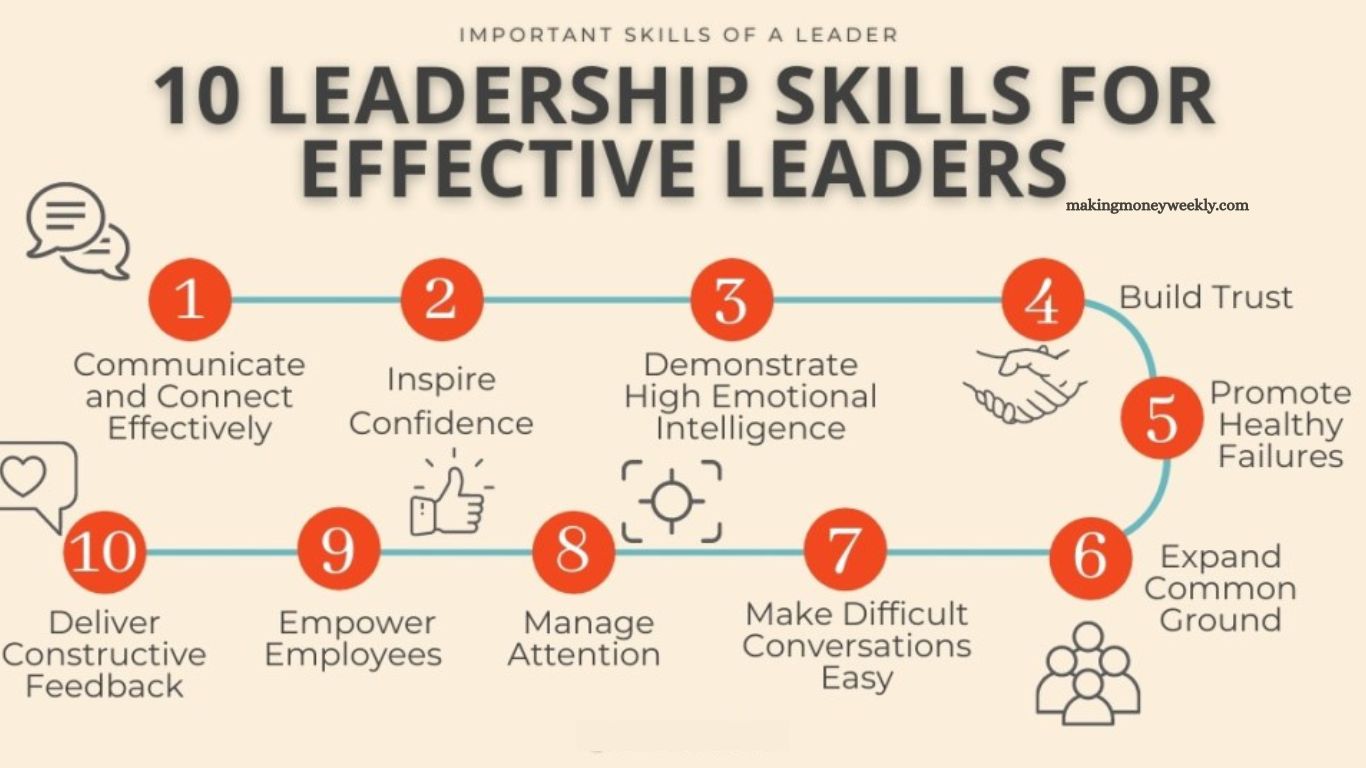
Successful businesses rarely grow through products or services alone. Strong leadership creates direction, builds trust, and inspires people to achieve meaningful results. Every business owner faces changing markets, customer expectations, and competitive challenges, making leadership one of the most valuable skills for long-term success.
Effective leadership goes beyond giving instructions. It involves clear communication, confident decision-making, emotional intelligence, and continuous learning. Business owners who develop these qualities create motivated teams, stronger customer relationships, and sustainable business growth.
Read More: Top Business Ideas With High Profit Potential in 2026
Why Leadership Matters in Business
Leadership shapes every aspect of a business. From company culture to employee performance, every decision made by a business owner influences daily operations. Strong leaders encourage innovation, improve teamwork, and maintain focus on long-term goals.
Employees perform better when they understand expectations and feel valued. Customers also recognize businesses led by professionals who prioritize quality, accountability, and consistent service.
Clear Vision Creates Strong Direction
Every successful business begins with a clear vision. Business owners should communicate goals that inspire employees and guide everyday decisions. A defined vision helps teams understand priorities while keeping everyone focused on shared objectives.
When leaders communicate purpose with confidence, employees become more committed to achieving organizational success.
Communication Builds Trust
Effective communication remains one of the most important leadership skills. Business owners should express ideas clearly, provide constructive feedback, and encourage open conversations.
Good communication reduces misunderstandings, strengthens collaboration, and creates stronger relationships among team members. Listening carefully also demonstrates respect and encourages valuable ideas from employees.
Decision-Making Drives Business Growth
Business owners make important decisions every day. Successful leaders evaluate available information, consider potential outcomes, and act with confidence.
Quick yet informed decisions help businesses adapt to changing market conditions while minimizing unnecessary risks. Strong decision-making also increases employee confidence in leadership.
Emotional Intelligence Strengthens Relationships
Emotional intelligence allows business owners to understand emotions, manage stress, and respond thoughtfully during challenging situations. Leaders with emotional awareness build healthier workplace relationships and resolve conflicts more effectively.
Employees appreciate leaders who show empathy, patience, and genuine concern for personal and professional development.
Adaptability Supports Long-Term Success
Business environments continue changing through technology, customer preferences, and economic conditions. Adaptable leaders welcome change instead of resisting it.
Flexible leadership encourages innovation, faster problem-solving, and continuous improvement. Businesses led by adaptable owners remain competitive despite unexpected challenges.
Accountability Creates Professional Culture
Great leaders accept responsibility for decisions and encourage accountability throughout their organizations. Taking ownership of successes and mistakes builds credibility and trust.
Employees become more responsible when leaders demonstrate honesty, transparency, and commitment to continuous improvement.
Delegation Improves Productivity
Many business owners attempt to manage every responsibility personally. Effective leaders understand delegation increases productivity while developing employee confidence.
Assigning responsibilities according to individual strengths allows business owners to focus on strategic planning, business development, and future opportunities.
Problem-Solving Encourages Innovation
Challenges appear in every business journey. Strong leaders approach problems with patience, creativity, and practical thinking instead of reacting emotionally.
Innovative problem-solving helps businesses discover new opportunities, improve efficiency, and strengthen customer satisfaction during difficult situations.
Continuous Learning Enhances Leadership
Leadership development never stops. Business owners benefit from reading industry resources, attending professional workshops, seeking mentorship, and learning from real experiences.
Continuous learning improves strategic thinking, expands knowledge, and prepares leaders for future business challenges.
Building High-Performing Teams
Successful businesses depend on motivated teams. Effective leaders recognize employee achievements, provide meaningful guidance, and encourage professional growth.
Supportive workplace environments increase productivity, reduce employee turnover, and strengthen organizational performance. Team members who feel appreciated often contribute creative ideas and greater commitment.
Leading Through Integrity
Integrity forms the foundation of effective leadership. Honest communication, ethical decision-making, and consistent actions build lasting credibility with employees, customers, and business partners.
Business owners who demonstrate integrity establish positive reputations that strengthen brand value and encourage long-term customer loyalty.
Leadership and Business Success
Leadership directly influences business growth, customer satisfaction, employee engagement, and organizational stability. Strong leadership creates resilient businesses capable of overcoming obstacles while identifying new opportunities.
Business owners who invest time developing leadership skills position themselves for greater success in competitive industries.
Frequently Asked Questions
Why are leadership skills important for business owners?
Leadership skills help business owners make better decisions, motivate teams, and achieve long-term business growth.
What is the most important leadership skill?
Clear communication is one of the most important skills because it builds trust and improves teamwork.
How does emotional intelligence improve leadership?
Emotional intelligence helps leaders understand people, manage conflicts, and create positive workplace relationships.
Can leadership skills be learned?
Yes. Leadership skills improve through continuous learning, experience, training, and regular practice.
Why is delegation important for business owners?
Delegation increases productivity, develops employee skills, and allows business owners to focus on strategic goals.
How does effective leadership improve business performance?
Strong leadership boosts employee engagement, customer satisfaction, innovation, and overall business success.
What qualities make a successful business leader?
Successful leaders demonstrate integrity, adaptability, confidence, accountability, communication skills, and a clear vision for growth.
Conclusion
Effective leadership skills empower business owners to guide teams, make confident decisions, and build successful organizations. Clear communication, emotional intelligence, accountability, adaptability, and continuous learning create strong foundations for sustainable growth. Business owners who lead with integrity and purpose inspire employees, strengthen customer relationships, and create businesses prepared for long-term success in an evolving marketplace.
