

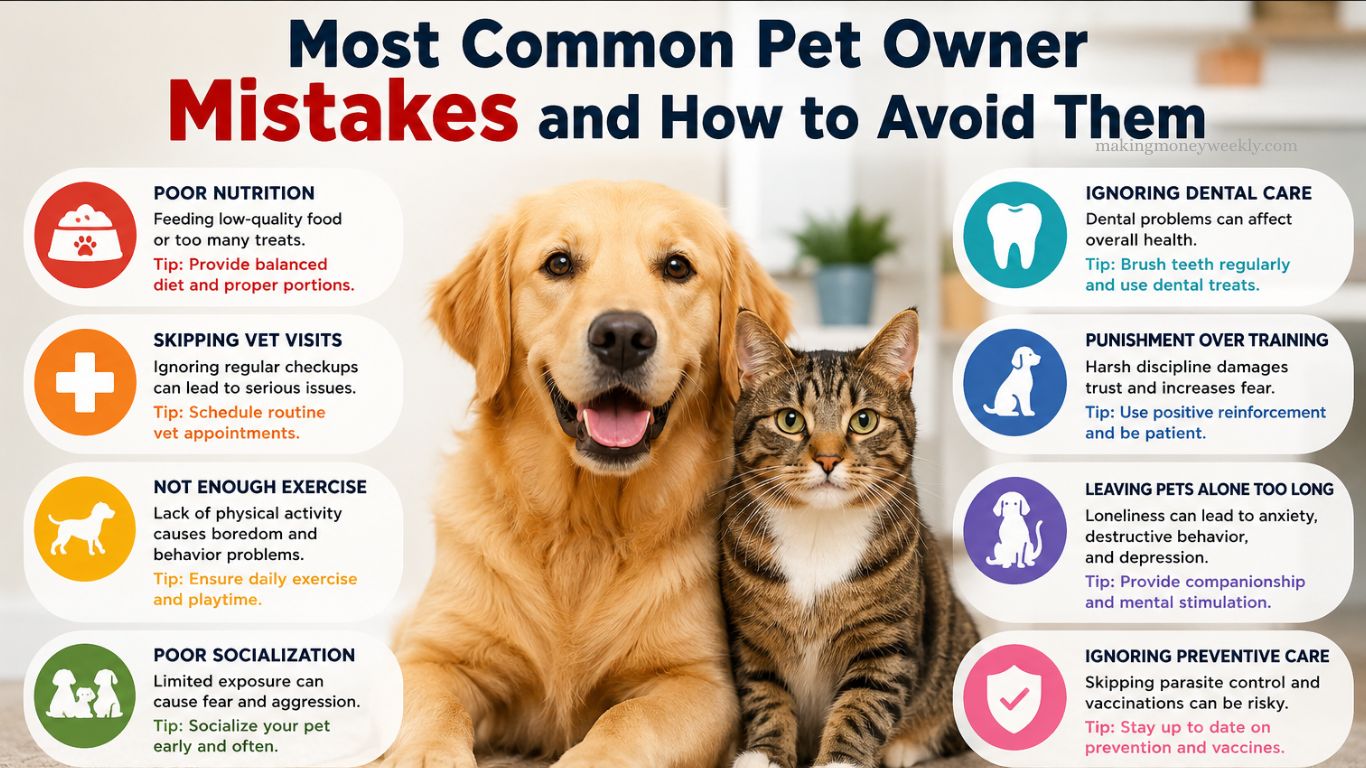
Owning a pet is a rewarding experience, but it also comes with important responsibilities. Every decision, from choosing the right food to providing regular healthcare, directly influences a pet’s physical and emotional well-being.
Many owners unknowingly develop habits that may lead to health problems, behavioral issues, or unnecessary stress. Understanding these common mistakes allows pet owners to provide better care and build a stronger relationship with their beloved companions.
Read More: How Technology Is Changing Modern Pet Care
Choosing a Pet Without Proper Research
Many people adopt or purchase a pet simply because they find it cute or popular. Unfortunately, every animal has unique needs that may not match every lifestyle. Some breeds require hours of daily exercise, while others need regular grooming or specialized diets. Choosing a pet without understanding these requirements often creates challenges for both the owner and the animal.
Before bringing a pet home, spend time researching its temperament, lifespan, nutritional needs, grooming requirements, activity level, and healthcare expenses. Selecting a pet that fits your lifestyle creates a happier home and reduces the chances of future problems.
Feeding an Unhealthy Diet
Proper nutrition forms the foundation of a healthy life. Many pet owners unknowingly feed excessive treats, table scraps, or low-quality food that lacks essential nutrients. Poor nutrition can contribute to obesity, digestive disorders, skin problems, and weakened immunity.
Providing high-quality food designed for your pet’s age, size, and species supports healthy growth and overall wellness. Fresh drinking water should always remain available, and portion sizes should match your veterinarian’s recommendations to prevent unnecessary weight gain.
Skipping Regular Veterinary Visits
Many health conditions develop gradually and remain unnoticed until they become serious. Routine veterinary examinations help identify medical issues before they progress into costly or life-threatening conditions.
Regular checkups include vaccinations, parasite prevention, dental assessments, and overall health evaluations. Preventive healthcare allows pets to receive timely treatment and significantly improves their chances of living long, healthy lives.
Ignoring Daily Exercise
Physical activity plays a major role in maintaining a healthy body and balanced mind. Pets that receive insufficient exercise often develop obesity, boredom, anxiety, and destructive behaviors.
Dogs benefit from daily walks, outdoor play, and interactive activities that burn energy and strengthen muscles. Cats also require regular movement through climbing, chasing toys, and indoor games that stimulate their natural hunting instincts. Regular exercise keeps pets physically fit while supporting emotional well-being.
Neglecting Socialization
Proper socialization helps pets become confident and well-adjusted members of the family. Animals that rarely experience new people, environments, or other pets may become fearful, anxious, or aggressive.
Introducing pets to different situations calmly and positively builds confidence and encourages healthy behavior. Early social experiences are especially valuable because they help young animals adapt more easily throughout their lives.
Overlooking Dental Health
Dental care is frequently ignored, even though oral health affects the entire body. Plaque buildup and gum disease can cause pain, infections, tooth loss, and complications involving major organs.
Regular tooth brushing, professional dental cleanings, and veterinarian-approved dental products help maintain healthy teeth and gums. Preventive dental care improves comfort while reducing future medical expenses.
Failing to Provide Mental Stimulation
Mental exercise is just as important as physical activity. Intelligent animals need opportunities to solve problems, explore their surroundings, and remain mentally engaged. Without adequate stimulation, many pets become bored and develop unwanted behaviors such as excessive barking, chewing, scratching, or digging.
Interactive toys, training sessions, puzzle feeders, and learning new commands provide healthy challenges that keep pets mentally active and emotionally satisfied.
Using Harsh Training Methods
Discipline based on fear or punishment often damages trust between pets and owners. Harsh correction may increase anxiety, aggression, or confusion rather than improving behavior.
Positive reinforcement encourages pets to repeat desired behaviors by rewarding success with praise, affection, or healthy treats. Consistent and patient training builds confidence while strengthening the relationship between owner and pet.
Leaving Pets Alone for Long Periods
Companion animals naturally seek interaction with their families. Spending excessive time alone can lead to loneliness, depression, and separation anxiety. Some pets respond by barking excessively, damaging furniture, or refusing food.
Whenever possible, provide companionship through regular interaction, engaging activities, or trusted caregivers during extended absences. Maintaining emotional connection supports healthy behavior and overall happiness.
Ignoring Weight Management
Pet obesity has become one of the most common health concerns worldwide. Excess body weight increases the risk of diabetes, arthritis, heart disease, breathing difficulties, and reduced life expectancy.
Maintaining a healthy weight requires balanced nutrition, appropriate portion control, and regular exercise. Monitoring body condition throughout the year allows owners to recognize unhealthy weight changes before they become serious.
Forgetting Parasite Prevention
Fleas, ticks, worms, and other parasites threaten both animal and human health. Many owners wait until visible symptoms appear before seeking treatment, allowing infestations to become more difficult and expensive to manage.
Routine parasite prevention recommended by a veterinarian protects pets from discomfort and reduces the risk of disease transmission. Preventive care remains the safest and most effective approach.
Creating an Unsafe Home Environment
Many everyday household items pose hidden dangers to curious pets. Toxic foods, cleaning chemicals, medications, electrical cords, and poisonous plants can all cause serious injuries or illnesses.
Creating a pet-friendly home involves storing hazardous materials safely, removing dangerous objects, and supervising young or curious animals. A secure environment greatly reduces the likelihood of preventable accidents.
Ignoring Behavioral Changes
Changes in behavior often provide the earliest signs of illness or emotional distress. Reduced appetite, unusual aggression, excessive sleeping, hiding, or sudden changes in activity levels may indicate an underlying health problem.
Prompt attention from a veterinarian helps identify the cause early and increases the chances of successful treatment. Observing daily habits allows owners to recognize subtle warning signs before conditions become severe.
Building Better Habits for Responsible Pet Care
Excellent pet care depends on consistency rather than perfection. Healthy nutrition, regular veterinary visits, daily exercise, mental stimulation, positive training, and a safe environment work together to support lifelong wellness. Every positive habit contributes to better physical health, improved behavior, and a stronger bond between pets and their owners.
Frequently Asked Questions (FAQs)
What is the most common mistake pet owners make?
The most common mistake is not understanding a pet’s specific needs before bringing it home. Every pet requires proper nutrition, regular exercise, routine veterinary care, and mental stimulation to stay healthy and happy.
How often should I take my pet to the veterinarian?
Healthy adult pets should have a veterinary checkup at least once a year. Puppies, kittens, senior pets, and animals with ongoing health conditions may need more frequent visits based on a veterinarian’s advice.
Why is regular exercise important for pets?
Regular exercise helps maintain a healthy weight, strengthens muscles and joints, improves heart health, reduces stress, and prevents boredom-related behaviors such as chewing, scratching, or excessive barking.
Can human food be harmful to pets?
Yes. Many human foods, including chocolate, grapes, onions, garlic, xylitol, and certain nuts, are toxic to pets. Feeding a balanced pet diet is the safest way to meet their nutritional needs.
How can I keep my pet mentally stimulated?
Mental stimulation can be provided through interactive toys, puzzle feeders, training sessions, games, and regular playtime. These activities reduce boredom and encourage healthy behavior.
Why is dental care important for pets?
Good dental hygiene prevents plaque buildup, gum disease, bad breath, and tooth loss. Healthy teeth and gums also reduce the risk of infections that can affect other organs.
Conclusion
Avoiding common pet owner mistakes is one of the most effective ways to improve a pet’s quality of life. Responsible ownership involves understanding an animal’s physical, emotional, and social needs while providing consistent care throughout every stage of life. Simple daily decisions can prevent many health problems, reduce stress, and strengthen the relationship between pets and their families. By making informed choices and staying committed to proper care, every pet owner can help their companion enjoy a healthier, happier, and longer life.
