

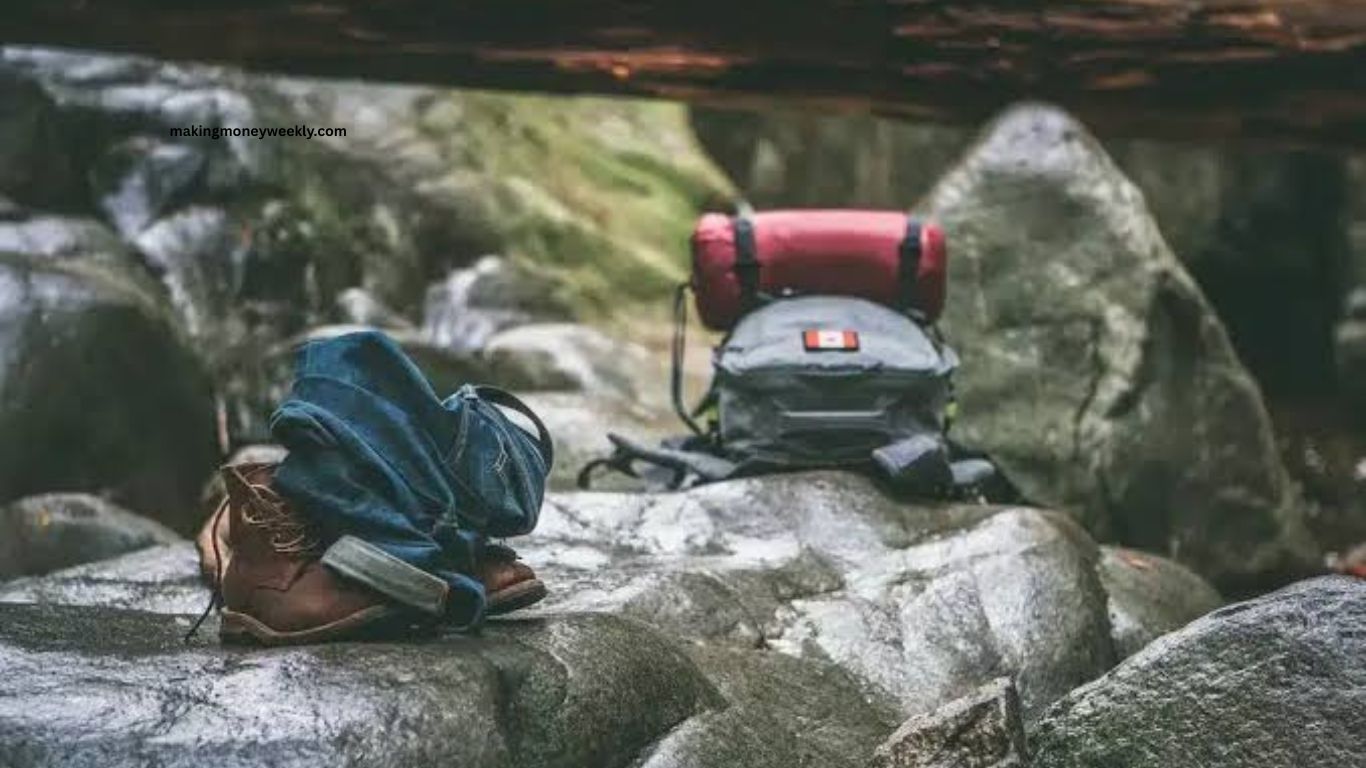
Solo travel offers freedom, confidence, and unforgettable experiences. Exploring a new destination alone allows travelers to create their own schedules, discover hidden places, meet new people, and experience different cultures at their own pace. Proper preparation, smart decisions, and awareness can make solo adventures safer and more enjoyable.
Traveling alone also requires greater personal responsibility. Without a companion nearby, travelers need to understand their surroundings, protect important belongings, manage transportation carefully, and know what to do during unexpected situations. Following practical solo travel safety tips can help every explorer enjoy greater confidence while discovering the world.
Read More: Luxury Travel Experiences Worth Adding to Your Bucket List
Research Your Destination Before Traveling
Destination research should begin before booking a trip. Learn about local customs, transportation systems, common tourist scams, weather conditions, neighborhood safety, emergency services, and areas that travelers should avoid.
Understanding local culture can prevent uncomfortable situations and show respect toward residents. Checking recent travel information also helps travelers prepare for changes involving transportation, weather, local regulations, or security conditions.
Share Your Travel Plans
Keeping trusted people informed creates an additional layer of safety during solo travel. Share your basic itinerary, accommodation details, transportation plans, and expected travel dates with family members or close friends.
Regular communication does not need to interrupt the travel experience. A simple message after reaching a hotel, changing cities, or completing a long journey can reassure someone at home that everything is going smoothly.
Choose Accommodation Carefully
Accommodation plays an important role in solo travel safety. Select hotels, hostels, guesthouses, or rental properties with reliable reviews, secure entrances, suitable locations, and positive feedback from previous travelers.
Avoid choosing accommodation based solely on the lowest price. A convenient location near public transportation, restaurants, and populated areas can make movement easier while reducing unnecessary risks during late arrivals or departures.
Keep Important Documents Secure
Passports, identification documents, travel tickets, payment cards, and important reservations should receive special attention. Carry only the documents needed during daily activities and keep backup copies of essential information in a secure digital location.
Splitting cash and payment methods between separate secure places can also reduce problems if a wallet or bag gets lost. Travelers should know how to contact their bank or card provider if a payment card becomes unavailable.
Stay Aware of Your Surroundings
Situational awareness remains one of the most valuable solo travel safety habits. Pay attention to nearby people, traffic, entrances, exits, transportation routes, and changes in the environment.
Avoid becoming completely distracted by a phone while walking through unfamiliar areas. Checking directions before leaving a safe location can reduce the need to stop frequently in unfamiliar surroundings.
Be Careful With Personal Information
Friendly conversations can make solo travel more enjoyable, but travelers should maintain reasonable boundaries. Avoid sharing sensitive details such as accommodation room numbers, exact travel plans, financial information, or personal documents with strangers. A confident but polite approach can help maintain privacy without preventing meaningful cultural interactions.
Use Reliable Transportation
Transportation decisions can strongly influence travel safety. Use official taxis, recognized ride-hailing services, licensed transportation providers, or reputable public transportation systems whenever possible.
Before entering a vehicle, confirm the destination and basic fare information. During longer journeys, keep important belongings close and monitor the route when practical.
Avoid Risky Situations
Solo travelers should recognize situations that could become unsafe and leave before problems develop. Excessive alcohol consumption, isolated locations at night, unfamiliar parties, and accepting transportation or accommodation from strangers can increase vulnerability.
Enjoying local nightlife is possible without compromising personal safety. Staying within comfortable limits and maintaining awareness can make social experiences much safer.
Protect Your Money and Valuables
Carrying expensive jewelry, large amounts of cash, or unnecessary electronic equipment can attract unwanted attention. Keep valuable items discreet and avoid displaying large amounts of money in public.
A secure crossbody bag, money belt, hotel safe, or other practical storage option can provide additional protection. Travelers should also keep emergency funds separate from everyday spending money.
Keep Your Phone Ready
A charged smartphone can become an important safety resource during solo travel. Before leaving accommodation, make sure the phone has sufficient battery power and essential travel information.
Offline maps, translation tools, accommodation details, emergency contacts, and transportation information can remain useful when internet access becomes unreliable. A portable power bank can provide additional peace of mind during long travel days.
Trust Your Instincts
Personal intuition deserves attention while traveling alone. If a person, location, transportation option, or situation feels uncomfortable, leaving is often the safest choice.
Travelers do not need to justify every decision to strangers. Moving toward a populated location, contacting accommodation staff, or asking trusted authorities for assistance can provide a safer alternative when something feels wrong.
Learn Basic Local Phrases
Learning a few important phrases in the local language can improve communication and confidence. Words related to directions, transportation, food, assistance, and emergencies can become especially useful.
Even when communication is difficult, respectful gestures and simple phrases can help travelers interact more effectively with residents.
Prepare for Emergencies
Emergency preparation should form part of every solo travel plan. Save important phone numbers, identify nearby hospitals or police stations, and understand how local emergency services operate.
Travel insurance can also provide valuable financial protection for certain unexpected situations, depending on the policy. Before departure, review coverage related to medical treatment, trip interruptions, lost belongings, and other relevant risks.
Avoid Sharing Your Location Publicly
Social media can document memorable travel experiences, but real-time location sharing can reveal personal movements to strangers. Consider posting photographs after leaving a location instead of broadcasting your exact position while still there.
Privacy settings should also be reviewed before traveling. Limiting public access to personal information can reduce unnecessary exposure.
Maintain a Flexible Travel Plan
A detailed itinerary can be helpful, but solo travelers should avoid creating schedules so strict that changing circumstances become difficult to manage. Weather disruptions, transportation delays, unexpected closures, or personal fatigue can require adjustments.
Keeping alternative routes, backup accommodation options, and additional time between major travel activities can make the journey less stressful.
Frequently Asked Questions
Is solo travel safe for first-time travelers?
Yes. Solo travel can be safe for beginners when they research the destination, choose secure accommodation, stay aware of their surroundings, and maintain regular contact with trusted people.
How can I stay safe while traveling alone?
Research the destination, protect important documents, use reliable transportation, avoid risky situations, keep your phone charged, and trust your instincts.
Should I share my travel itinerary with someone?
Yes. Sharing accommodation details, transportation plans, and travel dates with a trusted person provides an additional safety layer during solo trips.
How can I protect my valuables while traveling alone?
Keep valuables discreet, avoid carrying unnecessary cash, use secure bags, store important documents safely, and keep backup copies of essential information.
Is it safe to go out at night alone?
Night travel depends on the destination and location. Choose populated areas, use reliable transportation, avoid isolated places, and remain aware of your surroundings.
What should I do if I feel unsafe during solo travel?
Move toward a populated or secure location, contact someone you trust, avoid confrontation, and seek assistance from reliable local authorities or accommodation staff.
What is the most important solo travel safety tip?
Stay aware of your surroundings. Good preparation combined with situational awareness can help travelers recognize potential risks and make safer decisions.
Conclusion
Solo travel becomes more rewarding when freedom is balanced with preparation and awareness. Researching destinations, protecting personal belongings, choosing reliable transportation, maintaining communication, and trusting personal instincts can significantly improve travel confidence.
Every explorer deserves the opportunity to experience new destinations independently. Smart preparation does not reduce the excitement of solo travel; it creates the confidence needed to explore, learn, and enjoy every journey more safely.
