

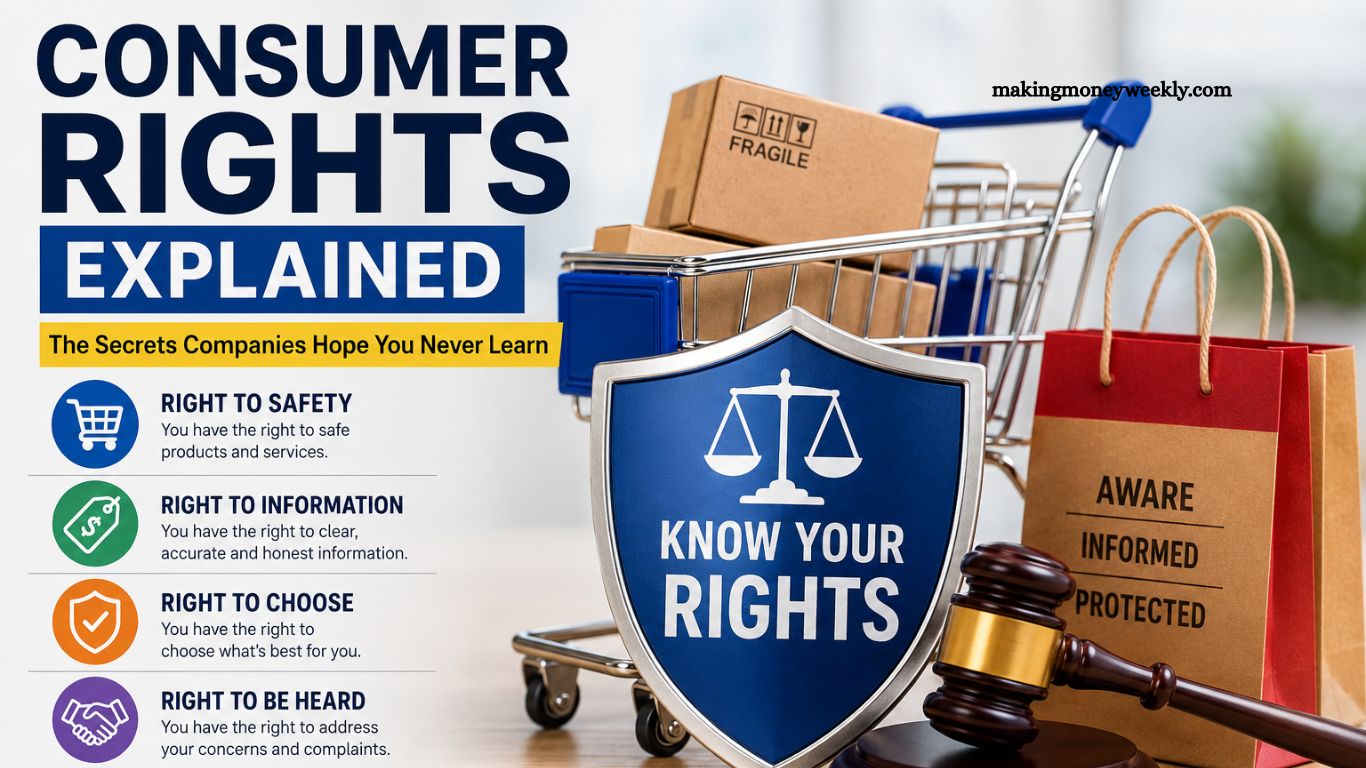
Every day, millions of consumers purchase products, sign service agreements, subscribe to memberships, and make online transactions. Most people assume businesses will always act fairly. Unfortunately, that is not always true.
Many companies rely on customers overlooking important details hidden in contracts, refund policies, warranties, and billing agreements. Lack of awareness often leads to unnecessary financial losses and frustrating experiences.
Understanding consumer rights empowers individuals to make informed decisions, challenge unfair practices, and protect their money. Knowledge remains one of the strongest tools available to every customer.
This guide explains key consumer rights and highlights important protections many companies prefer customers never discover.
Read More: Family Law Changes That Could Impact Thousands of Families
What Are Consumer Rights?
Consumer rights are legal protections designed to safeguard buyers from unfair business practices, defective products, misleading advertising, and fraudulent transactions.
These rights help ensure:
- Product safety
- Honest advertising
- Fair pricing
- Accurate information
- Access to refunds and repairs
- Protection against scams
Consumer protection laws vary by country, but most regulations share similar principles focused on fairness and transparency.
Right to Accurate Information
One of the most important consumer rights involves access to truthful information.
Businesses must provide accurate details regarding:
- Product features
- Pricing
- Ingredients
- Performance claims
- Service limitations
- Terms and conditions
Misleading advertisements often create unrealistic expectations. Exaggerated claims, hidden fees, and deceptive promotions can violate consumer protection regulations.
Before making a purchase, review product descriptions carefully and verify promotional offers whenever possible.
Hidden Secret
Many consumers fail to realize that misleading advertisements can often be challenged through consumer protection agencies and regulatory authorities.
Right to Product Safety
Consumers have the right to purchase products that meet reasonable safety standards.
Manufacturers and retailers must ensure products do not create unnecessary risks when used correctly.
Examples include:
- Faulty electronics
- Unsafe toys
- Defective vehicle components
- Contaminated food products
- Hazardous household items
When dangerous defects appear, companies may issue recalls or offer repairs and replacements.
Hidden Secret
Many customers continue using recalled products because they never receive recall notifications. Regularly checking product recall databases can help prevent serious safety risks.
Right to Fair Refunds and Replacements
Many companies create complicated return procedures hoping customers abandon refund requests.
However, consumers often have legal rights regarding:
- Defective products
- Incorrect orders
- Undelivered goods
- Misrepresented services
Keep receipts, invoices, screenshots, and transaction records. Proper documentation significantly strengthens refund claims.
Hidden Secret
Customer service representatives may initially reject legitimate refund requests. Escalating complaints through supervisors or consumer protection agencies often produces different results.
Right to Privacy and Data Protection
Digital businesses collect large amounts of personal information.
Data may include:
- Names
- Email addresses
- Phone numbers
- Payment information
- Browsing behavior
- Location data
Consumers deserve transparency regarding data collection and usage practices.
Responsible companies provide clear privacy policies and allow users to manage consent preferences.
Hidden Secret
Many customers unknowingly grant permission for extensive data tracking simply by accepting default settings without reviewing privacy options.
Right to Protection Against Unfair Contracts
Contracts often contain lengthy terms filled with legal language.
Some agreements include:
- Automatic renewals
- Early termination penalties
- Hidden fees
- Restrictive cancellation policies
Consumer protection laws frequently limit unfair contract terms that place customers at a significant disadvantage.
Hidden Secret
Many consumers assume signed agreements cannot be challenged. In reality, courts and regulators sometimes invalidate unfair contract clauses.
Right to File Complaints
Every consumer has the right to report unfair treatment.
Common complaint categories include:
- Billing disputes
- False advertising
- Poor product quality
- Unauthorized charges
- Warranty violations
A well-documented complaint often encourages faster resolution.
Important records include:
- Purchase receipts
- Emails
- Chat transcripts
- Screenshots
- Service agreements
Hidden Secret
Many businesses resolve complaints quickly when consumers demonstrate awareness of their legal rights.
Right to Warranty Protection
Warranties provide important protection against manufacturing defects and product failures.
Several warranty types may apply:
Manufacturer Warranty
Coverage provided directly by the product manufacturer.
Retailer Warranty
Additional protection offered by sellers.
Implied Warranty
Legal protection guaranteeing products function as reasonably expected.
Hidden Secret
Many consumers overlook implied warranty protections because businesses rarely discuss them during sales conversations.
Common Consumer Traps
Awareness helps consumers avoid costly mistakes.
Free Trial Offers
Many subscriptions automatically convert into paid memberships.
Hidden Charges
Additional fees may appear during checkout or billing cycles.
Limited-Time Pressure
Artificial urgency encourages impulsive purchases.
Extended Warranty Upselling
Additional warranties sometimes duplicate existing protection.
Misleading Discounts
Inflated original prices can make discounts appear larger than reality.
Reviewing details carefully helps prevent these common issues.
How to Protect Yourself as a Consumer
Follow these practical strategies:
Research Before Purchasing
Read independent reviews and compare alternatives.
Save Documentation
Keep invoices, warranties, and confirmation emails.
Read Terms Carefully
Focus on cancellation policies, fees, and renewal clauses.
Monitor Financial Statements
Review bank and credit card transactions regularly.
Report Unfair Practices
Contact consumer protection organizations when necessary.
Protect Personal Information
Limit unnecessary data sharing whenever possible.
Why Consumer Awareness Matters
Knowledge changes the balance of power between businesses and customers.
Companies invest heavily in marketing, legal protections, and sophisticated sales strategies. Consumers who understand their rights can identify misleading practices, challenge unfair treatment, and make smarter purchasing decisions.
An informed consumer becomes far less vulnerable to hidden fees, deceptive advertising, privacy violations, and poor customer service.
Frequently Asked Questions (FAQs)
What are consumer rights?
Consumer rights are legal protections that help buyers receive safe products, accurate information, fair treatment, and protection from deceptive business practices. These rights ensure businesses operate honestly and responsibly.
Why are consumer rights important?
Consumer rights protect individuals from fraud, misleading advertising, defective products, hidden charges, and unfair contracts. They help create a fair marketplace where customers can make informed purchasing decisions.
Can I get a refund for a defective product?
In many cases, yes. If a product is defective, damaged, or does not perform as advertised, consumers may be entitled to a refund, repair, or replacement depending on local consumer protection laws.
What should I do if a company refuses my refund request?
Keep all purchase records, receipts, emails, and screenshots. Contact customer support, escalate the issue to management, and file a complaint with the relevant consumer protection authority if necessary.
Are businesses allowed to use misleading advertisements?
No. Consumer protection laws generally prohibit false or misleading advertising. Companies must provide accurate information about products, services, pricing, and promotional offers.
What rights do consumers have regarding personal data?
Consumers have the right to know how their personal information is collected, stored, and used. Many privacy regulations also allow consumers to access, correct, or request deletion of personal data.
What is an implied warranty?
An implied warranty is a legal guarantee that a product will function as reasonably expected. Even when a written warranty is not provided, consumers may still have protection under consumer laws.
Conclusion
Consumer rights exist for a reason: protection against unfair business practices. Unfortunately, many people never learn about important safeguards available to them.
Understanding rights related to product safety, refunds, privacy, warranties, accurate information, and fair contracts can prevent financial losses and improve purchasing decisions.
