

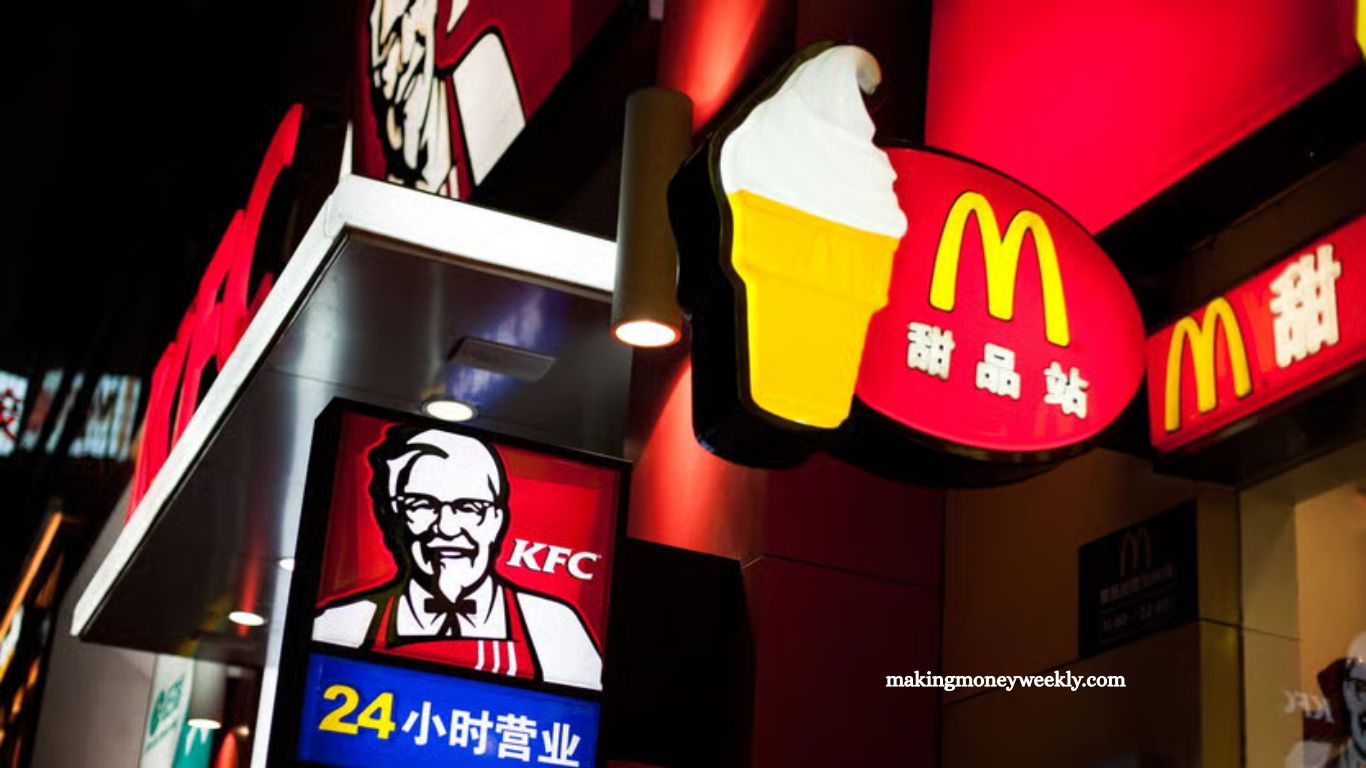
China has become one of the most important markets for global fast-food brands. Among the strongest performers are McDonald’s and KFC, both experiencing rapid expansion across cities, towns, and even smaller regions. Their growth is driven by changing consumer behavior, urban development, digital innovation, and strong localization strategies.
This article explains the key reasons behind the fast rise of McDonald’s and KFC in China and how both brands continue to strengthen their position in a highly competitive food market.
Read More: Stocks extend relief rally on U.S.–Iran ceasefire hopes; Dow turns positive for 2026
Rising Middle Class and Changing Food Habits
One of the main drivers of expansion is China’s growing middle class. With higher income levels, consumers are spending more on dining out and convenience food.
Fast food fits modern lifestyles where people prefer quick meals with consistent quality. Young professionals, students, and families often choose McDonald’s and KFC because of affordability, speed, and familiarity.
Western-style fast food is also seen as a lifestyle choice in urban China, especially among younger generations.
Strong Urbanization and Infrastructure Growth
China’s rapid urbanization has created millions of new customers in cities and developing regions. Shopping malls, transit hubs, and commercial zones have expanded quickly, providing ideal locations for fast-food outlets.
McDonald’s and KFC strategically place stores in high-traffic areas such as:
- Shopping malls
- Subway stations
- Airports
- Business districts
- Residential complexes
This aggressive store placement helps both brands maintain strong visibility and steady customer flow.
Effective Localization Strategy
A major reason behind success in China is localization. Both brands adapted their menus and marketing to match local preferences.
KFC, in particular, has been highly successful in modifying its offerings. It includes rice dishes, congee, spicy chicken variants, and tea-based beverages. McDonald’s also introduced localized burgers, desserts, and breakfast options.
Beyond food, marketing campaigns often include Chinese cultural festivals, seasonal promotions, and partnerships with local celebrities.
This adaptation builds emotional connection with Chinese consumers while maintaining global brand identity.
Digital Transformation and Delivery Boom
China leads the world in digital payment and food delivery systems. McDonald’s and KFC integrated deeply with platforms such as mobile ordering apps, QR code payments, and delivery services.
Key advantages include:
- Fast mobile ordering
- Seamless payment through digital wallets
- Strong presence on delivery apps
- Personalized promotions based on user data
Food delivery has become a major growth engine, especially in densely populated cities. Many customers now order fast food without visiting physical outlets, increasing total sales volume.
Aggressive Expansion Strategy
Both brands follow a strong expansion strategy in China. They open new stores at a faster rate compared to many Western markets.
KFC entered China earlier and built a large network of stores, giving it a first-mover advantage. McDonald’s later accelerated expansion through franchising and partnerships with local companies.
They also focus on smaller cities, where competition is lower and growth potential is high. This “tier-2 and tier-3 city strategy” has significantly boosted store count and revenue.
Strong Brand Trust and Global Reputation
Brand trust plays a major role in consumer choice. McDonald’s and KFC are known for consistent quality, hygiene standards, and standardized service.
In a competitive food market, reliability matters. Customers know exactly what to expect, whether they are in Beijing, Shanghai, or a smaller city.
This trust encourages repeat purchases and long-term customer loyalty.
Competitive Pricing Strategy
Affordability is another key factor. Both brands offer meals at different price points to attract a wide customer base.
Value meals, combo offers, and limited-time discounts make fast food accessible to students and middle-income groups. At the same time, premium menu items target higher-income consumers.
This flexible pricing strategy allows them to serve multiple market segments effectively.
Cultural Integration and Local Acceptance
Over time, McDonald’s and KFC have become part of urban culture in China. They are not just food outlets but social spaces where people meet, study, and relax.
For many young people, visiting these restaurants is associated with convenience and modern lifestyle habits. This cultural integration strengthens long-term demand.
Frequently Asked Questions
Why are McDonald’s and KFC growing so fast in China?
Their growth is driven by rising middle-class income, urbanization, strong brand trust, and fast adaptation to local food preferences and digital ordering systems.
Which brand entered China first, McDonald’s or KFC?
KFC entered the Chinese market earlier than McDonald’s, which helped it build a stronger early presence and larger store network across many cities.
How do McDonald’s and KFC adapt to Chinese tastes?
Both brands localize their menus by offering rice dishes, spicy chicken, tea-based drinks, and seasonal Chinese-inspired items alongside global menu favorites.
Is fast food popular in China?
Yes, fast food is highly popular, especially among young people, students, and working professionals who prefer quick, affordable, and consistent meals.
How important is food delivery for their growth?
Food delivery is a major growth factor. Both brands are strongly integrated with digital apps, allowing customers to order quickly and easily from home or work.
Do McDonald’s and KFC only operate in big cities in China?
No, both brands are expanding into smaller tier-2 and tier-3 cities where demand is increasing and competition is lower.
Why do Chinese consumers prefer these brands?
Consumers value convenience, consistent quality, modern dining experience, affordability, and strong brand reliability.
Conclusion
The rapid expansion of McDonald’s and KFC in China is not accidental. It is the result of strong localization, digital innovation, strategic expansion, and deep understanding of consumer behavior.
As China continues to urbanize and digitalize, both brands are expected to grow further, especially in emerging cities and delivery-driven markets. Their ability to adapt quickly to local needs ensures they remain dominant players in China’s fast-food industry for years to come.
