

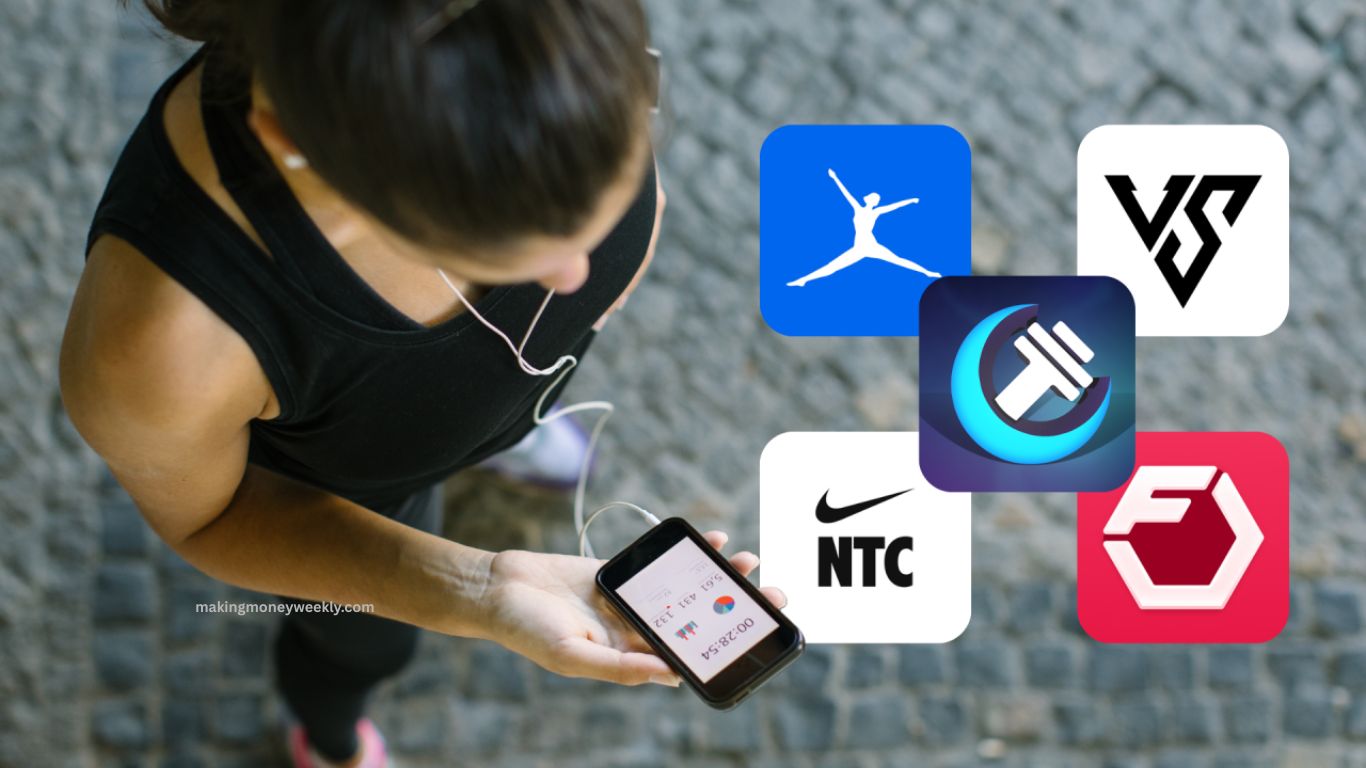
Staying fit in 2026 has become easier with the growing range of fitness apps and digital tools available for workouts, nutrition, activity tracking, and recovery. Modern fitness technology helps users create structured routines, monitor progress, and stay motivated without depending entirely on a traditional gym or personal trainer.
The best fitness apps and tools combine useful tracking features with simple interfaces and personalized guidance. Whether the goal is building muscle, improving endurance, losing weight, increasing daily activity, or maintaining overall wellness, the right digital fitness solution can make training more consistent and manageable.
Read More: Daily Fitness Routines That Can Transform Your Life
Why Fitness Apps Matter in 2026
Fitness apps have evolved beyond basic step counters and calorie trackers. Many platforms now use artificial intelligence, wearable data, personalized workout plans, and real-time performance information to create more customized fitness experiences.
These tools can help users understand their exercise habits and identify areas that need improvement. Instead of following a generic routine, users can choose workouts based on their fitness level, available equipment, schedule, and specific goals.
Best Fitness Apps for Personalized Workouts
Personalized workout apps are among the most useful fitness tools in 2026. These platforms can recommend exercises based on individual goals and adjust training sessions as performance changes.
A good workout app can provide guided strength training, cardio sessions, mobility exercises, and home workouts. Video demonstrations and coaching instructions also make it easier for beginners to understand proper exercise techniques.
AI-powered fitness platforms are becoming particularly popular because they can analyze workout history and suggest adjustments. This technology can help users maintain progression without making every training decision manually.
Fitness Tracking Apps for Daily Activity
Daily activity tracking remains an important part of maintaining a healthy lifestyle. Fitness tracking apps monitor steps, distance, active time, calories burned, and other movement-related metrics.
These apps can encourage users to remain active throughout the day rather than focusing only on scheduled workouts. Setting daily movement goals can create simple habits that support long-term fitness.
When connected with a smartwatch or fitness tracker, activity apps can provide more accurate information and create a broader picture of daily movement.
Smartwatches and Fitness Trackers
Wearable fitness devices continue to be valuable tools for people who want real-time performance information. Modern smartwatches and fitness trackers can monitor heart rate, workouts, sleep patterns, activity levels, and other health-related metrics.
The biggest advantage of wearable technology is convenience. Users can check performance data during workouts without constantly using a smartphone. Many devices also synchronize with fitness apps, allowing workout history and activity information to remain in one place.
For runners, cyclists, and endurance athletes, GPS tracking can provide useful information about distance, pace, routes, and training performance.
Nutrition and Calorie Tracking Apps
Exercise represents only one part of a successful fitness routine. Nutrition tracking apps can help users understand their food choices, calorie intake, protein consumption, and overall dietary patterns.
These apps are especially useful for people trying to manage body weight or support muscle growth. Recording meals can reveal eating patterns that may otherwise be difficult to notice.
Modern nutrition apps are also becoming easier to use. Barcode scanning, food databases, meal suggestions, and personalized targets can reduce the effort required to track daily nutrition.
Running and Cycling Apps
Running and cycling apps remain popular among people who enjoy outdoor training. These platforms can track routes, distance, pace, speed, elevation, and workout duration.
Advanced training features can help athletes monitor improvements over time and structure their sessions around specific performance goals. Social features can also make outdoor exercise more engaging by allowing users to compare achievements or participate in challenges.
For beginners, these apps can motivate by turning regular walks, runs, or cycling sessions into measurable progress.
Strength Training and Gym Apps
Strength training apps are useful for people who prefer gym-based workouts. They can help users record exercises, sets, repetitions, weights, and rest periods.
Keeping a digital workout history makes progressive overload easier to manage. Users can see how their performance changes and gradually increase training demands when appropriate.
A well-designed strength training app can also reduce the uncertainty of planning workouts. Instead of deciding what to do during every gym session, users can follow a structured routine and focus on execution.
Recovery and Sleep Tracking Tools
Recovery has become an increasingly important part of fitness in 2026. Training performance depends not only on exercise but also on adequate rest, sleep, hydration, and stress management.
Sleep tracking tools can provide information about sleep duration and patterns. Some wearable devices also estimate recovery indicators based on factors such as heart rate and daily activity.
These measurements should not replace professional medical advice, but they can help users recognize general patterns and understand how lifestyle habits may affect training consistency.
AI Fitness Tools in 2026
Artificial intelligence is changing how people interact with fitness technology. AI-powered tools can analyze workout data, recommend exercises, create training schedules, and provide personalized feedback.
The main advantage of AI is adaptability. A training plan can potentially change according to workout performance, available time, equipment, and user preferences.
However, users should treat AI recommendations as guidance rather than a replacement for qualified fitness professionals. Proper exercise technique and individualized professional advice remain important, particularly for people with specific training requirements.
How to Choose the Right Fitness App
Choosing the best fitness app depends on personal goals rather than popularity alone. Someone focused on strength training may benefit more from a detailed workout tracker, while a runner may prefer an app with advanced GPS and pace analysis.
Ease of use is another important factor. An app with too many complicated features can become difficult to maintain over time. The most useful fitness tool is usually one that fits naturally into a person’s routine.
Compatibility with existing devices can also matter. Users who already own a smartwatch or fitness tracker should consider whether the selected app can synchronize with that device.
The Future of Fitness Technology
Fitness technology is expected to become increasingly personalized as AI, wearable sensors, and connected health platforms continue developing. Future tools may provide more detailed performance insights while requiring less manual data entry.
The focus is also shifting from individual workouts toward complete wellness ecosystems that connect exercise, nutrition, recovery, sleep, and daily activity.
Despite these advances, technology remains a tool rather than the foundation of fitness. Regular exercise, balanced nutrition, adequate recovery, and realistic goals still have the greatest impact on long-term progress.
Frequently Asked Questions
What are the best fitness apps in 2026?
The best fitness apps offer personalized workouts, activity tracking, nutrition guidance, progress monitoring, and recovery features.
Are fitness apps useful for beginners?
Yes, fitness apps can help beginners follow structured workouts, learn exercises, track progress, and build consistent fitness habits.
Can fitness apps help with weight loss?
Fitness apps can support weight-loss goals by tracking physical activity, workouts, calories, and nutrition while encouraging consistent healthy habits.
Are smartwatches useful for fitness?
Yes, smartwatches can track workouts, heart rate, steps, distance, sleep, and other performance metrics.
Can AI create personalized workout plans?
AI-powered fitness tools can create and adjust workout recommendations based on goals, activity history, fitness level, and available equipment.
Which fitness app is best for strength training?
Strength-training apps with exercise libraries, workout tracking, progressive overload features, and set-and-repetition logging are useful for gym users.
Should I use multiple fitness apps?
Using multiple apps can be helpful, but one well-designed platform may be enough if it covers your primary fitness goals and is easy to use.
Conclusion
The top fitness apps and tools worth using in 2026 offer convenient ways to plan workouts, track activity, monitor nutrition, measure performance, and improve recovery. From AI-powered workout platforms to smartwatches and specialized running apps, modern technology gives users more control over their fitness journey.
