

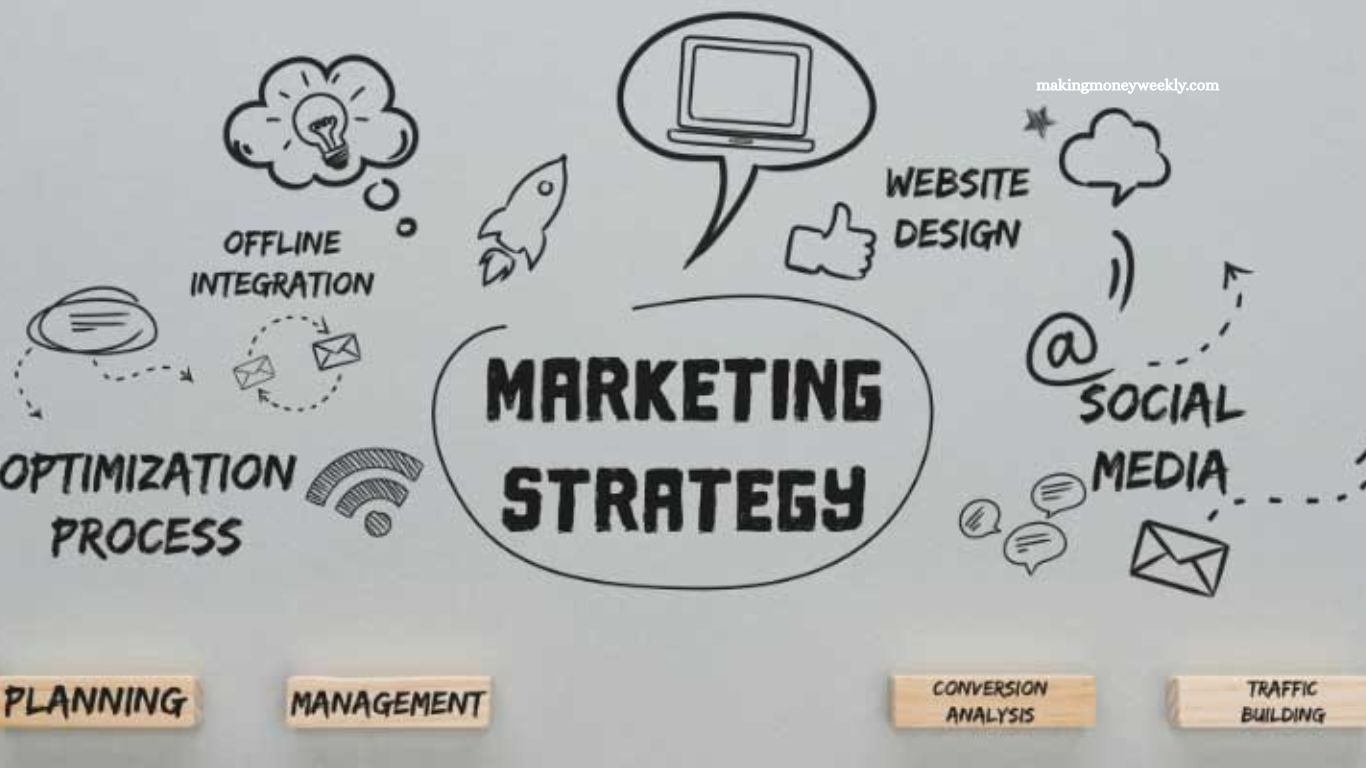
Business growth depends on more than a great product or service. Every successful brand builds strong connections with the right audience through smart marketing. A well-planned marketing strategy creates awareness, attracts qualified customers, increases sales, and builds long-term trust. Companies that invest in effective marketing often gain a competitive advantage while creating sustainable growth.
A successful marketing approach combines creativity, data, consistency, and customer understanding. Businesses that adapt to changing market trends and customer expectations can achieve faster growth while strengthening their brand reputation.
Read More: How Artificial Intelligence Is Transforming Modern Businesses
Build a Strong Brand Identity
A recognizable brand creates a lasting impression. Customers often choose brands they trust and remember over unfamiliar competitors. A professional logo, consistent visual design, clear messaging, and a unique brand voice help establish credibility.
Brand identity extends beyond appearance. Every customer interaction, including website experience, customer support, product quality, and communication style, shapes public perception. A consistent brand experience builds confidence and encourages repeat business.
Understand Your Target Audience
Successful marketing begins with understanding customer needs, preferences, and buying behavior. Businesses that research their audience can create personalized campaigns that attract attention and improve engagement.
Customer insights reveal valuable information about purchasing habits, interests, challenges, and expectations. These insights help businesses develop products, services, and marketing messages that solve real problems and create meaningful value.
Create High-Quality Content
Content remains one of the most powerful tools for business growth. Valuable articles, videos, guides, and educational resources establish authority while attracting potential customers through search engines and social platforms.
High-quality content answers common questions, provides practical solutions, and builds trust before customers make purchasing decisions. Consistent publishing also strengthens brand visibility and supports long-term organic traffic growth.
Invest in Search Engine Optimization
Search engine optimization helps businesses appear in search results when potential customers look for relevant products or services. Strong SEO improves visibility without relying entirely on paid advertising.
Keyword research, optimized website structure, valuable content, fast loading speed, mobile responsiveness, and quality backlinks contribute to higher search rankings. Businesses that prioritize SEO often receive consistent traffic with long-term marketing benefits.
Leverage Social Media Marketing
Social media platforms create opportunities for direct communication with customers. Regular engagement helps businesses build relationships, increase brand awareness, and promote products effectively.
Creative content, customer interaction, live sessions, and community discussions encourage audience participation. Businesses that maintain an active social presence often experience stronger customer loyalty and greater brand recognition.
Focus on Customer Experience
Exceptional customer experience creates loyal customers who recommend businesses to others. Every interaction should deliver value, convenience, and professionalism.
Fast responses, personalized communication, reliable support, and simple purchasing processes improve customer satisfaction. Positive experiences encourage repeat purchases while generating valuable word-of-mouth marketing.
Use Email Marketing Effectively
Email marketing remains one of the highest-performing digital marketing channels. Personalized emails keep customers informed about new products, special offers, company updates, and educational content.
Well-designed email campaigns nurture customer relationships throughout the buying journey. Relevant communication increases engagement, strengthens loyalty, and encourages repeat purchases without excessive marketing costs.
Utilize Paid Advertising Strategically
Paid advertising delivers immediate visibility and attracts highly targeted audiences. Search engine advertising, social media campaigns, and display advertisements allow businesses to reach potential customers based on interests, demographics, and online behavior.
Successful advertising campaigns require continuous monitoring and optimization. Performance analysis helps improve conversion rates while maximizing return on investment.
Strengthen Customer Relationships
Long-term business growth depends on strong customer relationships rather than one-time sales. Businesses that consistently deliver value create loyal customers who become brand advocates.
Regular communication, appreciation campaigns, exclusive offers, and personalized recommendations encourage ongoing engagement. Strong relationships also increase customer lifetime value and improve overall business performance.
Analyze Marketing Performance
Marketing decisions become more effective through accurate performance analysis. Businesses should measure website traffic, conversion rates, customer acquisition costs, engagement metrics, and sales performance.
Data-driven insights reveal successful strategies while identifying opportunities for improvement. Continuous optimization allows businesses to allocate resources more efficiently and achieve stronger marketing results.
Embrace Innovation and Market Trends
Modern markets evolve rapidly. Businesses that adopt new technologies, digital tools, and emerging marketing trends remain competitive in changing environments.
Artificial intelligence, automation, personalized experiences, interactive content, and advanced analytics continue transforming marketing strategies. Early adoption often creates new growth opportunities while improving operational efficiency.
Maintain Consistency Across Marketing Channels
Consistent messaging strengthens brand recognition and improves customer trust. Every communication channel should reflect the same brand values, visual identity, and overall message.
Website content, social media campaigns, email communication, advertisements, and customer support should work together to create a unified customer experience. Consistency increases credibility and reinforces brand awareness over time.
Frequently Asked Questions (FAQs)
What are the best marketing strategies for rapid business growth?
The best marketing strategies include search engine optimization (SEO), content marketing, social media marketing, email marketing, paid advertising, and strong brand building. Combining these strategies helps attract more customers, increase sales, and support long-term business growth.
Why is SEO important for business growth?
SEO improves your website’s visibility in search engine results, making it easier for potential customers to find your business. Higher rankings can lead to increased organic traffic, better brand credibility, and more conversions without relying solely on paid advertising.
How does content marketing help grow a business?
Content marketing builds trust by providing valuable and informative content that addresses customer needs. High-quality blog posts, videos, and guides attract visitors, improve SEO rankings, and encourage potential customers to choose your business.
Which social media platform is best for marketing?
The best platform depends on your target audience and business type. Facebook and Instagram are effective for consumer brands, LinkedIn works well for B2B companies, while TikTok and YouTube are excellent for engaging audiences through video content.
How long does it take to see results from marketing strategies?
The timeline varies depending on the strategy. Paid advertising can generate results within days, while SEO and content marketing typically require several months to deliver consistent, long-term growth.
Is email marketing still effective?
Yes. Email marketing remains one of the most effective digital marketing channels because it allows businesses to communicate directly with customers, promote products, share updates, and increase repeat sales through personalized campaigns.
How can small businesses compete with larger brands?
Small businesses can compete by focusing on niche markets, delivering exceptional customer service, creating high-quality content, building strong customer relationships, and using cost-effective digital marketing strategies such as SEO and social media marketing.
What role does branding play in business growth?
Branding creates recognition, builds trust, and helps businesses stand out from competitors. A strong brand identity encourages customer loyalty, improves credibility, and supports long-term business success.
Conclusion
Rapid business growth requires strategic marketing built on customer understanding, valuable content, strong branding, search engine optimization, social media engagement, and continuous performance improvement. Every successful strategy focuses on delivering genuine value while building lasting customer relationships.
